Tradition · East and Southeast Asia
Chinese Zodiac: The Shengxiao Twelve-Animal Cycle, Han Formalization, and Regional Variants
The Chinese zodiac (shengxiao, 生肖): the twelve-animal cycle formally integrated with the ganzhi sexagenary system in the Han dynasty. Wang Chong's Lunheng, Sima Qian's Shiji, and the Vietnamese cat-instead-of-rabbit variant.
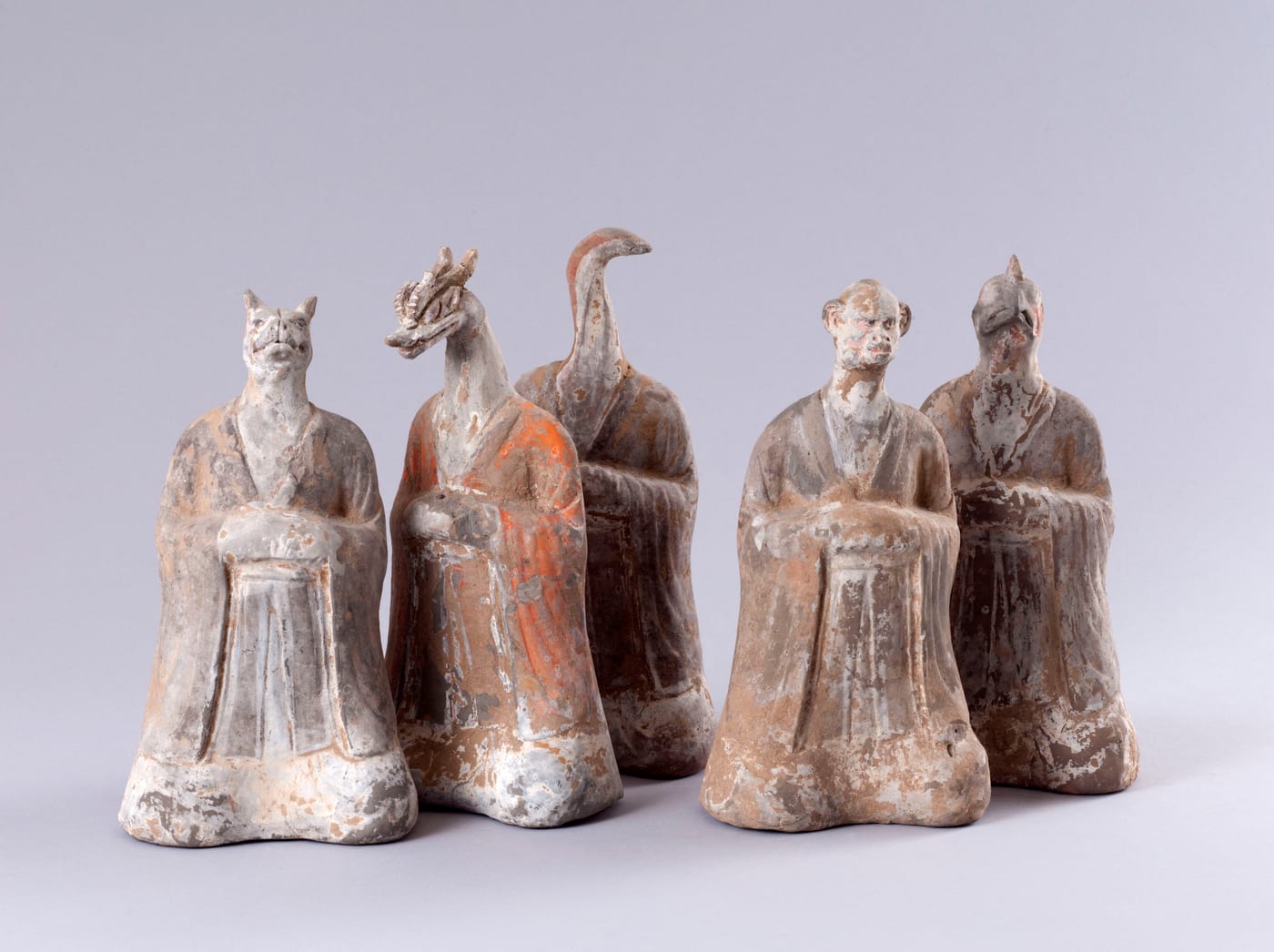
The Chinese zodiac (shengxiao, 生肖, 'birth-likeness') is the twelve-year animal cycle: Rat, Ox, Tiger, Rabbit, Dragon, Snake, Horse, Goat, Monkey, Rooster, Dog, Pig. The system integrates with the ganzhi sexagenary cycle (ten Heavenly Stems × twelve Earthly Branches = 60-year full cycle) formalized in the Han dynasty (2nd century BCE onward). Wang Chong's Lunheng (1st century CE, chapter 14) contains the earliest complete twelve-animal listing. Sima Qian's Shiji (c. 94 BCE) documents the ganzhi system itself. Regional variants: Vietnamese zodiac substitutes the cat for the rabbit (year of Mèo, 4th animal). The cycle remains in active cultural use across China, Korea, Vietnam, Japan, and the East Asian diaspora.
The Chinese zodiac (shengxiao, 生肖, “birth-likeness”) is the twelve-year animal cycle: Rat, Ox, Tiger, Rabbit, Dragon, Snake, Horse, Goat, Monkey, Rooster, Dog, Pig. The system integrates with the ganzhi sexagenary cycle formalized in the Han dynasty.
The twelve animals
Each animal pairs with one of the twelve Earthly Branches:
- 子 zǐ — Rat
- 丑 chǒu — Ox
- 寅 yín — Tiger
- 卯 mǎo — Rabbit
- 辰 chén — Dragon
- 巳 sì — Snake
- 午 wǔ — Horse
- 未 wèi — Goat
- 申 shēn — Monkey
- 酉 yǒu — Rooster
- 戌 xū — Dog
- 亥 hài — Pig
Historical formalization
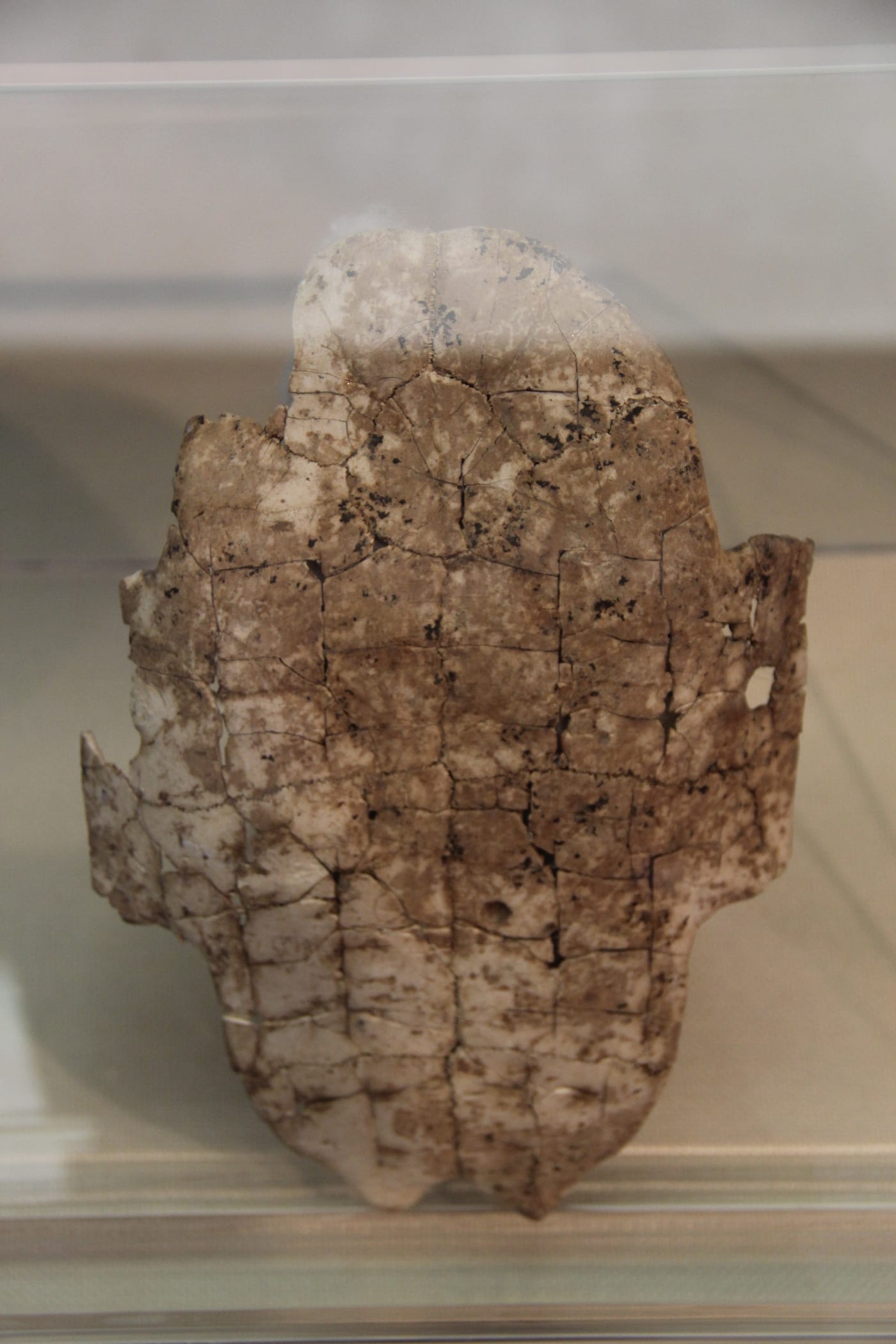
Wang Chong’s Lunheng (1st century CE), chapter 14, contains the earliest complete twelve-animal listing paired with the Earthly Branches. The ganzhi calendar system itself has Shang-dynasty oracle-bone antecedents (c. 1200 BCE), but the twelve-animal pairing is Han.
Regional variants
Vietnamese zodiac. Substitutes cat (Mèo) for rabbit as the 4th animal.
Korean and Japanese zodiacs. Both preserve the Chinese twelve-animal sequence essentially intact.
Thai, Burmese, and other Theravāda Buddhist South Asian zodiacs. Vary regionally.
Contemporary significance
The cycle remains in active cultural use across China, Korea, Vietnam, Japan, and the East Asian diaspora. Chinese Lunar New Year celebrations cycle the animal annually. Birth-year zodiac is commonly asked in social interaction. Zodiac-compatibility readings (for marriage, business partnerships) remain widely practiced.
Key terms
- shengxiao (生肖)
- 'Birth-likeness.' The twelve-animal zodiac system.
- ganzhi (干支)
- 'Stems and Branches.' The sexagenary (60-year) calendar cycle formed by combining ten Heavenly Stems with twelve Earthly Branches. Each year is named by a stem-branch pair (e.g., jiǎ-zǐ).
- dìzhī (地支)
- 'Earthly Branches.' The twelve branches zǐ 子 (rat), chǒu 丑 (ox), yín 寅 (tiger), mǎo 卯 (rabbit), chén 辰 (dragon), sì 巳 (snake), wǔ 午 (horse), wèi 未 (goat), shēn 申 (monkey), yǒu 酉 (rooster), xū 戌 (dog), hài 亥 (pig).
- Vietnamese zodiac
- Substitutes the cat (Mèo) for the rabbit as the 4th animal; remaining eleven match the Chinese system.
Frequently asked
- What is the Chinese zodiac and how does it work?
- Shengxiao (生肖) is a twelve-year cycle in which each year is associated with one of twelve animals: Rat, Ox, Tiger, Rabbit, Dragon, Snake, Horse, Goat, Monkey, Rooster, Dog, Pig. The animals cycle through the twelve Earthly Branches (dìzhī) of the ganzhi sexagenary calendar. The ganzhi itself combines ten Heavenly Stems with the twelve Earthly Branches to produce a 60-year full cycle, formalized in the Han dynasty.
- Why is the cat not in the Chinese zodiac?
- The traditional Chinese origin-myth (associated with the Jade Emperor's zodiac race) has the rat trick the cat out of arriving at the race, leaving the cat out of the zodiac. This is a late folk-narrative explaining an earlier fact: the Chinese zodiac was formalized in the Han dynasty before the domestic cat was widespread in Chinese culture, so the animal did not enter the list. The Vietnamese zodiac, developed later under some Chinese influence, does include the cat (Mèo) as the 4th animal in place of the rabbit.
- When was the Chinese zodiac formalized?
- In its current complete form, during the Han dynasty (202 BCE–220 CE). Wang Chong's Lunheng (1st century CE), chapter 14 'On Matter,' contains the earliest complete listing of the twelve animals paired with the Earthly Branches. The ganzhi calendar system itself has Shang-dynasty oracle-bone antecedents (c. 1200 BCE), but the twelve-animal pairing is Han.
- Is the Chinese zodiac still taken seriously?
- Yes. The cycle remains in active cultural use across China, Korea, Vietnam, Japan (in modified form), and the East Asian diaspora. Chinese Lunar New Year (Spring Festival) celebrations cycle the animal annually; birth-year zodiac is commonly asked in social interaction. Zodiac-compatibility readings (for marriage, business partnerships) remain widely practiced; contemporary popular references run from airline New Year marketing to state-diplomatic imagery.
Sources
- PRIMARYWang Chong, Lunheng (On Matter, ch. 14) — Alfred Forke trans. (Lun-Hêng), Kelly & Walsh, 1907–11; revised Paragon Books, 1962.
- PRIMARYSima Qian, Shiji (c. 94 BCE) — Nienhauser ed., Indiana University Press, 1994–.
- PRIMARYShang oracle-bone ganzhi inscriptions — David Keightley, Sources of Shang History, University of California Press, 1978.
- PEER-REVIEWEDTheodore M. Ludwig, 'Chinese Religious Year' — Encyclopedia of Religion, ed. Lindsay Jones, 2nd ed. Macmillan, 2005.