Tradition · Ireland, Britain, Gaul
Celtic Animal Traditions: Cernunnos, the Gundestrup Cauldron, the Irish Literary Corpus, and the Mabinogion
Celtic animal-spiritual traditions traced through archaeological (Gundestrup Cauldron, Gallo-Roman Epona inscriptions) and literary (Mabinogion, Táin Bó Cúailnge, Children of Lir) sources, with Anne Ross and Miranda Aldhouse-Green as the foundational English-language scholarship.
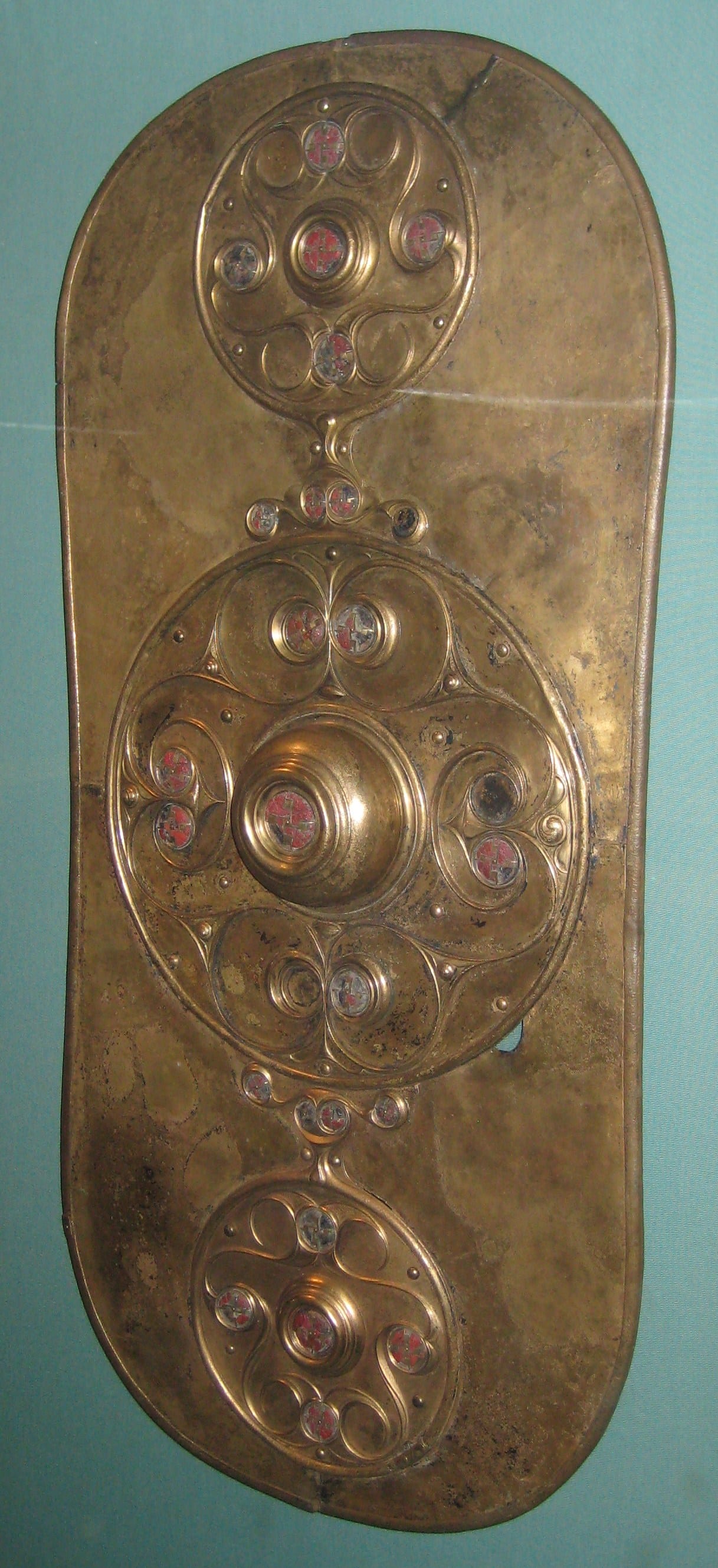
'Celtic animism' in the documented record is not a single tradition but several overlapping strands: archaeological evidence from pre-Roman Iron Age Europe (Gundestrup Cauldron c. 1st c. BCE, Gallo-Roman Epona inscriptions 1st–3rd c. CE, Pillar of the Boatmen c. 14–37 CE), Welsh medieval literature (the Mabinogion, compiled from earlier oral tradition in the White Book of Rhydderch c. 1350 and Red Book of Hergest c. 1400), Irish mythological literature (Táin Bó Cúailnge, Oidheadh Chloinne Lir, Fenian cycle), and Scottish Gaelic folklore (Carmina Gadelica, 1900–71). Anne Ross's Pagan Celtic Britain (Routledge, 1967) and Miranda Aldhouse-Green's Animals in Celtic Life and Myth (Routledge, 1992) are the standard English-language scholarly treatments.
“Celtic animism” is not a single tradition but a constellation. Pre-Roman Iron Age continental Celtic archaeology (Gundestrup Cauldron, Gallo-Roman Epona inscriptions), Welsh medieval literature (Mabinogion), Irish mythological-cycle literature (Táin, Fenian), Scottish Gaelic folk-prayer tradition (Carmina Gadelica). Each preserves specific animal-material.
The archaeological strand
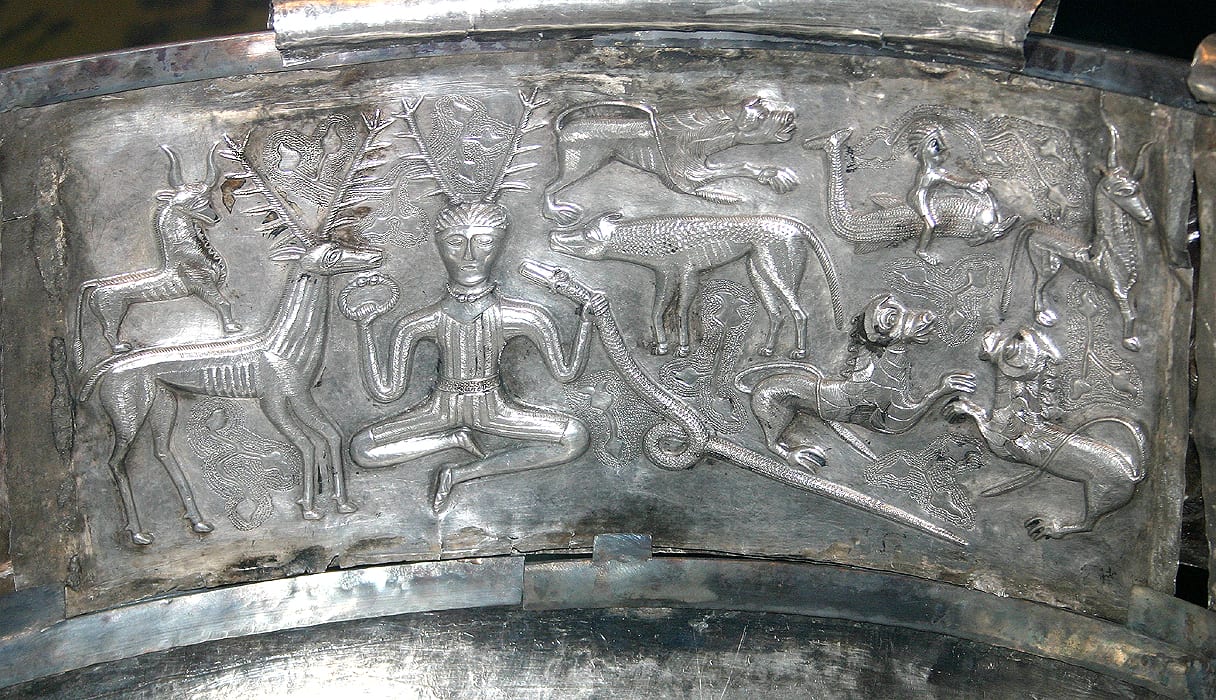
Gundestrup Cauldron, c. 1st century BCE, Nationalmuseet Copenhagen. Inner panel A depicts the antlered god Cernunnos surrounded by stags, wolves, a horned serpent. The single most important surviving Celtic ritual object.
Pillar of the Boatmen, c. 14–37 CE, Musée de Cluny, Paris. Names Cernunnos once epigraphically. Also named: Esus, Tarvos Trigaranus, Smertrios.
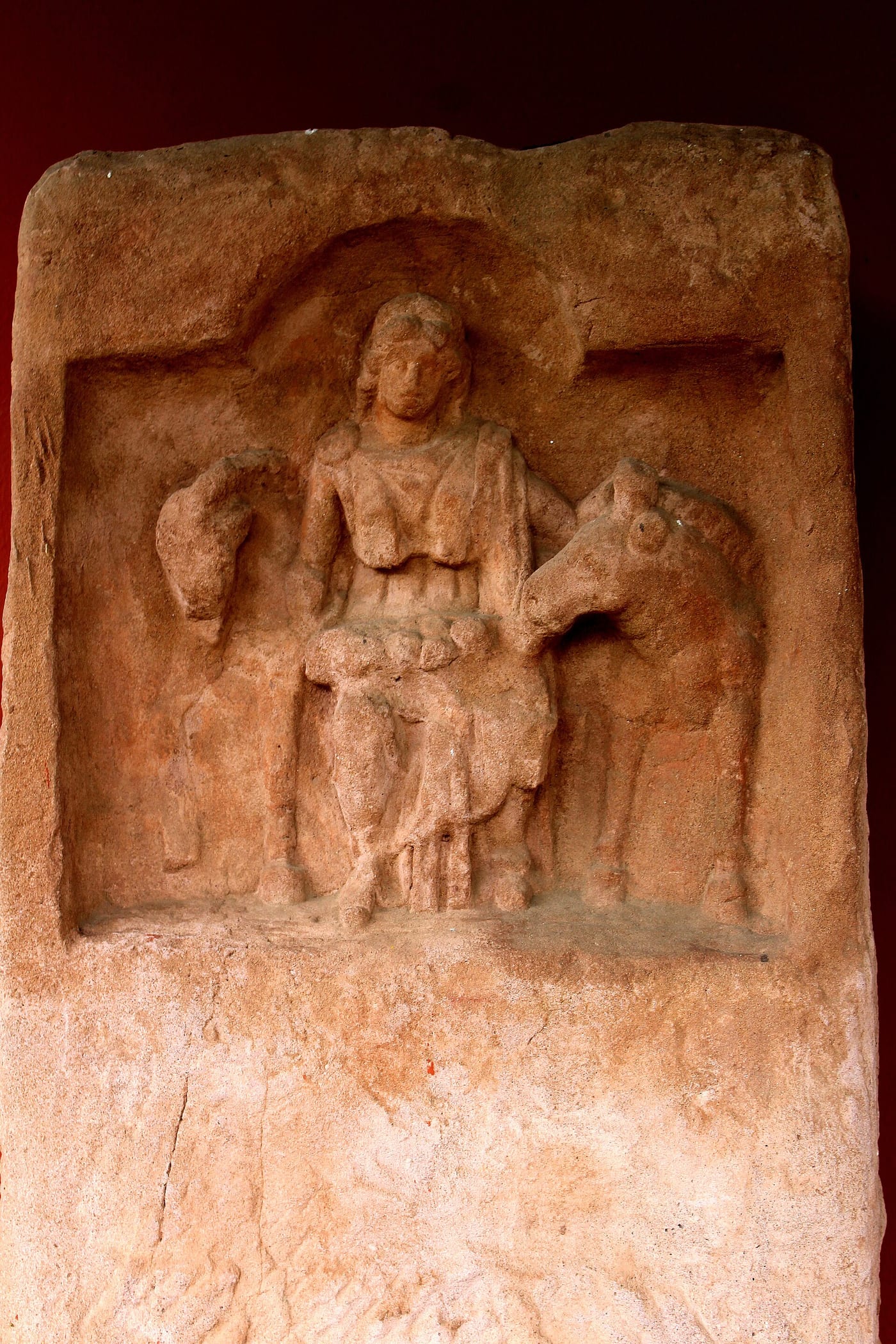
Gallo-Roman Epona inscriptions. Across Gaul, Britain, Rhineland, Danube frontier. The only Celtic deity formally worshipped by the Roman military under her original Celtic name.
The Welsh strand
The Mabinogion, compiled in the White Book of Rhydderch (c. 1350) and Red Book of Hergest (c. 1400). Sioned Davies’s 2007 Oxford translation is the standard. Rhiannon’s horse (documented in the horse spirit-animal entry), the pig-theft cycle across the Four Branches, and the Children of Lir swan-transformation (documented in the swan spirit-animal entry) are the best-known animal-narratives.
The Irish strand
Táin Bó Cúailnge (The Cattle-Raid of Cooley), the great Ulster Cycle epic, centers on the theft of the Brown Bull of Cooley. Thomas Kinsella’s 1969 Oxford translation is the standard modern English edition. The Acallam na Senórach (Colloquy of the Elders), the great Fenian Cycle compendium, preserves Manannán mac Lir’s crane-bag (documented in the crane spirit-animal entry) and much other animal-material.
The Scottish strand
Alexander Carmichael’s Carmina Gadelica (6 vols., 1900–71) preserves Scottish Gaelic folk-prayers and charms, many of them involving animals. The 19th-century otter-king folklore recorded by John Gregorson Campbell (documented in the otter spirit-animal entry) belongs to this strand.
Contested ground
Ronald Hutton’s Blood and Mistletoe (Yale, 2009) is the standard skeptical treatment of modern Celtic-revival claims. Much of what is popularly called “Celtic spirituality” in 2026 is an 18th–21st century construction rather than continuous ancient tradition. Honest engagement names the actual sources.
Key terms
- Cernunnos
- The antlered god of Celtic iconography, named on the Pillar of the Boatmen (Paris, c. 14–37 CE); depicted on Gundestrup Cauldron inner panel A and across Gaul.
- Epona
- The Celtic horse-goddess; the only Celtic deity formally worshipped by the Roman military under her original name.
- fylgja
- (Note: Old Norse, not Celtic. See the Norse fylgja entry for the animal-soul concept in the sagas.)
- Tuatha Dé Danann
- The 'People of the Goddess Danu' in Irish mythological tradition; the pre-Milesian divine race whose animal-transformations structure much of Irish animal-spirit tradition.
- geasa
- Singular geis. Ritual prohibitions or taboos often binding heroes in the Irish literary corpus; many involve animals (Cú Chulainn's geis against eating dog-meat is the most famous).
Frequently asked
- Was there really a Celtic religion?
- There were multiple regional Celtic religions, reconstructable only partially from archaeological and literary sources. Pre-Roman Iron Age continental Celtic practice is known through inscriptions, iconography, and Roman accounts (Caesar's Gallic War 6.16–18, though Caesar is a hostile witness). Insular (Irish and Welsh) Celtic tradition is documented in medieval manuscripts compiled from earlier oral tradition. Reconstructing a single 'Celtic religion' across these sources is contested; Ronald Hutton's Blood and Mistletoe (Yale, 2009) is the standard skeptical treatment.
- Who is Cernunnos?
- The antlered Celtic god depicted on Gundestrup Cauldron inner panel A (c. 1st century BCE, Nationalmuseet Copenhagen) and named once epigraphically on the Pillar of the Boatmen (c. 14–37 CE, Musée de Cluny, Paris). Miranda Aldhouse-Green's The Gods of the Celts (Alan Sutton, 1986) treats the iconographic corpus. The Cernunnos material is documented in the deer spirit-animal entry at /deer-spirit-animal/.
- What is the Mabinogion?
- The core collection of medieval Welsh prose narratives, preserved in the White Book of Rhydderch (c. 1350) and the Red Book of Hergest (c. 1400) but drawing on earlier oral tradition. The Four Branches of the Mabinogi (Pwyll, Branwen, Manawydan, Math) are the central texts; the three Romances and four independent tales complete the standard collection. Sioned Davies's Oxford World's Classics edition (2007) is the standard modern English translation. Animal transformations and animal-god figures (Rhiannon's horse, Gwydion's pig, Pryderi's swine-herd) structure several branches.
- Were there Irish-speaking and Welsh-speaking Celtic traditions?
- And Scottish Gaelic, Manx Gaelic, Cornish, and Breton. The Insular Celtic language family splits into Goidelic (Irish, Scottish Gaelic, Manx) and Brittonic (Welsh, Cornish, Breton). Each preserves distinct narrative traditions and animal-material; Irish (Táin Bó Cúailnge, Acallam na Senórach), Welsh (Mabinogion), and Scottish (Carmina Gadelica) are the three best-documented in surviving literature.
Sources
- PRIMARYThe Mabinogion — Sioned Davies trans., Oxford World's Classics, 2007.
- PRIMARYTáin Bó Cúailnge — Kinsella trans. (The Táin), Oxford University Press, 1969.
- PRIMARYAcallam na Senórach (The Colloquy of the Elders) — Dooley & Roe trans., Oxford World's Classics, 1999.
- PRIMARYCarmina Gadelica — Alexander Carmichael, Scottish Academic Press, 1900–71 (6 vols.).
- MUSEUMGundestrup Cauldron — Nationalmuseet Copenhagen, c. 1st century BCE.
- MUSEUMPillar of the Boatmen — Musée de Cluny, Paris; c. 14–37 CE.
- PEER-REVIEWEDAnne Ross, Pagan Celtic Britain — Routledge, 1967.
- PEER-REVIEWEDMiranda Aldhouse-Green, Animals in Celtic Life and Myth — Routledge, 1992.
- PEER-REVIEWEDMiranda Aldhouse-Green, The Gods of the Celts — Alan Sutton, 1986.
- PEER-REVIEWEDRonald Hutton, Blood and Mistletoe — Yale University Press, 2009.
- PEER-REVIEWEDProinsias Mac Cana, Celtic Mythology — Hamlyn, 1970.