Guide · Find Yours
How to Find Your Spirit Animal
Where the practice comes from, what the named traditions actually record, and four methods that don't overclaim.
The modern practice of 'finding' a spirit animal is a twentieth-century invention shaped primarily by Michael Harner's core-shamanism workshops (1979) and Ted Andrews's Animal Speak (Llewellyn, 1993). Neither is a direct continuation of any single Indigenous tradition, both are modern syntheses. The practice can still be a genuine contemplative exercise, but what you're looking for and how you look depends on which framework you're working in. This guide names the frameworks so you can choose.
Where the concept actually comes from
The phrase "spirit animal" in its current cultural usage traces to two primary sources, neither of them ancient in the way the phrase implies.
The first is Michael Harner, an anthropologist who conducted fieldwork with the Conibo of Peru and the Shuar (Jivaro) of Ecuador in the 1950s and 1960s. His experience with ayahuasca ceremonies led him to study shamanic practices across multiple cultures. In 1979 he founded the Foundation for Shamanic Studies, and in 1980 published The Way of the Shaman, the book that introduced "core shamanism" to a mass Western audience. Core shamanism is explicitly a distillation: Harner isolated techniques common across multiple shamanic traditions (rhythmic drumming, the concept of the lower world journey, the power animal) and taught them as universal practices stripped of their specific cultural context. The power animal in Harner's framework is an animal helper contacted during a drumming journey; it is a personal guide, not a cultural inheritance.
The second source is Ted Andrews, whose Animal Speak (Llewellyn, 1993) connected Harner's "power animal" concept with astrology, numerology, Native American traditions (cited without specific tribal attribution in most cases), and general New Age symbolism. Animal Speak sold over a million copies and is still in print. It is the direct source for the zodiac-animal crosswalks, the "what is your spirit animal" quiz format, and the vast majority of pop articles on the subject. When you read online that "Scorpios have the eagle as their spirit animal," that reading traces back to Andrews, not to Babylon.
The internet era did the rest. By the 2010s, "spirit animal" had become a meme ("pizza is my spirit animal") that completed its detachment from any contemplative or traditional framework. The pop concept and the original practices now share a name but almost no content.
What the named traditions actually record
The specific traditions that popular culture draws on most frequently have their own, quite different, frameworks for the human-animal relationship. None of them use the phrase "finding your spirit animal."
Ojibwe / Anishinaabe: the doodem
The Anishinaabe clan system (the doodem) is a patrilineal kinship structure in which each clan is identified with an animal: bear, crane, loon, fish, bird, deer, marten, and others depending on the community. Your doodem is inherited from your father. It defines your social role, your responsibilities within the community, who you may marry (same-clan marriage is prohibited), and your ceremonial function. You do not "find" your doodem; you are born into it. The animal is a collective identity and a structural social category, not a personal guide. See the Anishinaabe doodem tradition entry for primary-source treatment.
Lakota: the vision and the medicine helper
The Lakota hanbléčeya (vision quest) is a ceremony involving multi-day fasting, solitude, prayer, and exposure to the elements, typically undertaken with extensive preparation and the guidance of a wičháša wakȟáŋ (medicine person). Animals that appear in visions during this ceremony may become personal medicine helpers, sources of protection and guidance for the individual. This is closer to the "personal spirit animal" concept, but the ceremony is structured, community-supported, and not self-directed. Walking alone into the woods for a weekend is not a hanbléčeya.
Norse: the fylgja
The Old Norse fylgja (plural: fylgjur) is a personal guardian spirit in animal form, believed to accompany each person from birth. It is not chosen or found; it arrives before you are aware of it. The fylgja typically appears in dreams, at moments of crisis, or visible to others who have the second sight, appearing to warn of impending danger or death. Sagas describe the fylgja of famous warriors appearing to relatives as bears, wolves, or eagles. The animal is not symbolic of your personality; it is a spirit entity with its own existence. See the Norse fylgja tradition entry.
Jungian psychology: the animal in the unconscious
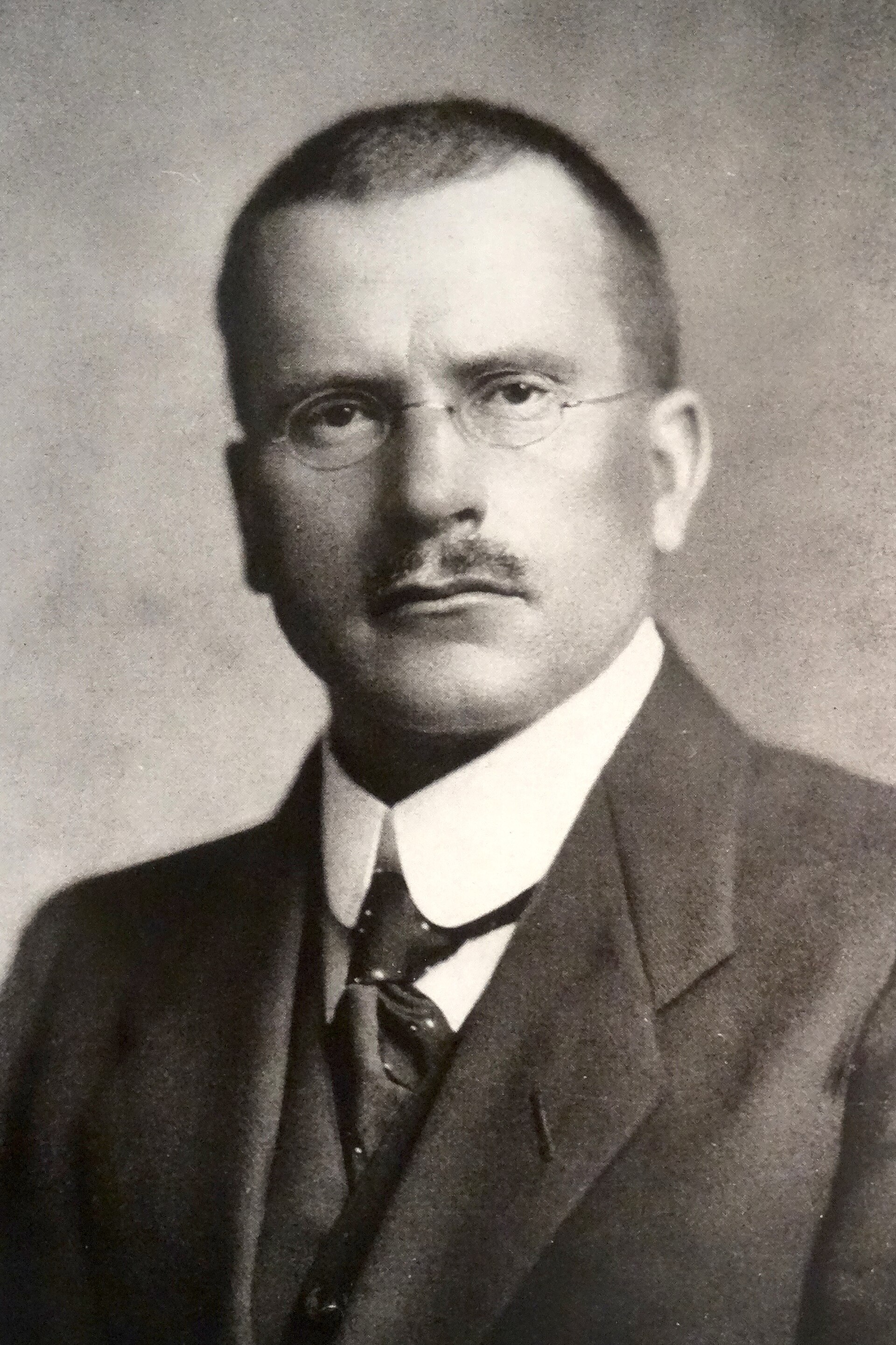
Carl Jung understood animal figures in dreams as projections of the unconscious: aspects of the self that the psyche presents in animal form because the animal is pre-verbal, instinctual, prior to the ego's rationalizing machinery. In Jung's framework, the threatening animal (the wolf that pursues, the snake underfoot) is the shadow: the instinctual qualities the ego refuses to integrate. The helpful animal (the guide, the messenger, the rescuer) is the self offering what the conscious mind cannot reach by reasoning. Marie-Louise von Franz's work on fairy tales and animal symbolism extends this: the "helpful animal" in folk stories is always the carrier of older, stranger, harder-won knowledge than the human hero possesses.
Four methods, what they are and what they assume
Each of the following methods assumes a different underlying framework. Knowing the assumption helps you evaluate the result.
1. The dream journal method
This is the most primary method across both the Harner/Andrews New Age synthesis and Jungian psychology. The practice:
- Keep a paper notebook and pen beside your bed, not a phone. Writing immediately on waking, before checking anything, captures content that disappears within minutes of full wakefulness.
- Record every animal that appears in the dream, even briefly: the bird at the window that you almost didn't notice, the dog in the corner of the room. The marginal presences are sometimes the significant ones.
- Note the emotional tone of each encounter: threatening, peaceful, guiding, adversarial, indifferent. The tone often matters more than the species.
- Track for thirty days minimum, not seven. A pattern that emerges across a month is more reliable than a single vivid encounter.
- Once a recurring animal appears, read the tradition entries on this site for that animal: what the Norse record, what the Anishinaabe record, what Jungian analysts have written. The pop-article reading is the last place to look.
The assumption underlying this method: the unconscious is communicating something real through the animal imagery it produces. Whether that is a Jungian psychological process, a spiritual encounter, or simply the pattern-recognition of an attentive mind is a question you answer for yourself.
2. The recurrence and attention method
This is Andrews's primary method in Animal Speak. The practice:
- For two weeks, write down every animal that crosses your conscious attention in waking life: a hawk circling as you step outside, a spider in an unlikely place, a fox crossing the road at an unusual hour, an animal in conversation that catches your attention in a way that feels different from ambient awareness.
- Distinguish between ambient presence and intrusion. A crow you see every morning because you live near a stand of oaks is not significant. A crow that appears at three separate emotionally charged moments in a week is worth noting.
- Look for the same animal surfacing across contexts: in waking life, in a dream, in a book you happened to open. That cross-context recurrence is what Andrews calls the spirit animal announcing itself.
- Note what you were thinking or feeling at each encounter. The animal's appearance in relation to your state of mind is part of the data.
The assumption: animals appear non-randomly in our awareness and the pattern carries meaning. This is the most secular-compatible method: it can be read as enhanced attention to nature, or as something more, depending on your framework.
3. The shamanic journey method
This is Harner's core-shamanism method, the most structured of the four. The practice:
- Rhythmic drumming at approximately 4–7 beats per second is used to induce a light altered state, what researchers call theta-range neural entrainment. The drumbeat is the primary technology; Harner's research found this frequency range consistent across Siberian, Native American, and other shamanic traditions.
- The practitioner visualizes an opening into the earth (a cave, a hollow tree, a pool) and journeys inward through it. This is the "lower world" journey in Harner's framework.
- The power animal typically presents itself by moving toward the practitioner rather than being selected. In Harner's description, it appears four times or moves in a way that communicates willingness to work with you. An animal that flees or is indifferent is not your power animal in that journey.
- The Foundation for Shamanic Studies offers structured workshops and recorded drumming tracks for self-practice. The method is teachable without traditional initiation: that is precisely what Harner designed it to be.
The assumption: a light trance state produced by rhythmic drumming allows access to a layer of experience that ordinary consciousness doesn't reach, and animals encountered there are meaningful helpers rather than random imagery. What relationship this method has to any pre-Harner tradition is a separate historical question. What it produces is real subjective experience.
4. The zodiac and archetype method
The most accessible entry point, and the least personalized. Each zodiac sign is associated with primary and secondary animals through a combination of Babylonian astronomy, Greek mythology, and modern synthesis; the specific sourcing is on each sign's page on this site. The assumption is that the sign you were born under reflects qualities that manifest in animal form. The zodiac method identifies a starting point; it does not account for individual variation within a sign. Treat it as a framework to explore rather than a verdict.
What to do with what you find
Whatever method produces a recurring animal, the next step is the same: read seriously, in multiple traditions, about what that animal has meant.
Every animal entry on this site covers at minimum the Mesopotamian, Greek, Norse, and one or more Indigenous traditions for that animal, and distinguishes the ancient-source reading from the modern Andrews synthesis. The wolf that pursues you in a dream carries different meaning in Lakota tradition, in Old Norse saga, in Jungian analysis, and in Ted Andrews's pop framework. These readings do not contradict each other; they illuminate different aspects of the same encounter.
Resist fixation on a single encounter. One vivid wolf dream does not make the wolf your spirit animal. A wolf that appears in three separate dreams over two months, that shows up in waking attention at meaningful moments, and that you find yourself thinking about without clear reason, that pattern is worth taking seriously.
The animal may also change. Norse tradition explicitly allows for different fylgja at different life stages, the animal appropriate to a child is not the same as the animal appropriate to an adult in a period of transformation. Andrews acknowledges primary and secondary animals that shift with circumstance. If the bear was prominent for five years and has gone quiet while the raven started appearing, that's information.
What it isn't
A few things that do not constitute finding your spirit animal, despite what the internet suggests:
- Your favorite animal. Most people say wolf, eagle, or fox when asked without method. These are the animals that feel powerful or admirable. Admiration is not the same signal as recurrence and intrusion.
- A quiz result. Personality-quiz formats produce the same animal for anyone who answers in a certain pattern. They are fun; they are not the practice.
- The animal you most resemble. "I'm totally a cat person" is a preference. It may overlap with your spirit animal. It is not the same thing.
- A fixed identity marker. "My spirit animal is the wolf" as a permanent biographical fact is the internet-meme version. The older frameworks are more dynamic than that.
Frequently asked
- How do I know if an animal is my spirit animal?
- Recurrence and intensity over time, not a single encounter. In the Andrews framework: repeated appearances in dreams, waking attention, and felt significance over weeks or months. In Harner-style shamanic journeying: the power animal presents itself during a drumming journey and moves toward you voluntarily. In Norse tradition: the fylgja appears unbidden at moments of crisis. A single vivid encounter is interesting; a pattern across thirty days is significant.
- Can you have more than one spirit animal?
- In virtually every tradition: yes. Andrews's Animal Speak discusses primary, secondary, and journey animals explicitly. Harner's core shamanism allows for multiple power animals with different functions. Norse tradition describes multiple fylgja across life stages. The idea of a single fixed spirit animal is a simplification introduced by internet quizzes; the older frameworks are considerably more flexible.
- Do spirit animals choose you or do you choose them?
- In the Ojibwe doodem system: neither — you are born into your clan animal. In Lakota vision-quest tradition: the animal appears unbidden during ceremony. In the Norse fylgja tradition: it arrives at birth or at crisis. In Harner's journey framework: it presents itself voluntarily. In Andrews's framework: you recognize it through recurrence. 'Choosing' your favorite animal is the weakest version of the practice across every tradition that addresses the question.
- What if the animal that keeps appearing is a frightening one?
- That is often the most significant finding. Jung's interpretation: the threatening animal in a dream is the shadow — the instinctual qualities the ego refuses to integrate. A wolf that pursues you is not attacking you; it's carrying the qualities (territorial drive, pack loyalty, raw instinct) that your conscious self is avoiding. Every animal entry on this site gives both the threatening and the beneficial readings from named traditions.
- Is there a difference between a spirit animal, a totem, and a power animal?
- Yes, though popular usage collapses them. 'Totem' in anthropological usage refers to a clan or group emblem (Ojibwe doodem); it is collective and inherited, not individual. 'Power animal' is Harner's term for the individual animal helper accessed during shamanic journeying. 'Spirit animal' is Ted Andrews's more accessible term that blends both concepts and adds astrology and psychology. The words are used interchangeably online; the traditions they draw on are distinct.
- How long does it take to find your spirit animal?
- If you use the dream journal or attention method seriously: 30 days of consistent observation is a reasonable minimum to see a pattern. The shamanic journey method can produce an experience in a single 20-minute session with recorded drumming, though practitioners typically work with the same power animal across many journeys before drawing conclusions. Zodiac-based identification is immediate but the least personalized.
By zodiac sign
The zodiac-animal crosswalk is a modern popular invention documented on each sign's page. Each page names where its mapping comes from (Babylonian astronomy, Greek myth, or modern synthesis) and distinguishes ancient source from Andrews reading.
March 21 – April 19
April 20 – May 20
May 21 – June 20
June 21 – July 22
July 23 – August 22
August 23 – September 22
September 23 – October 22
October 23 – November 21
November 22 – December 21
December 22 – January 19
January 20 – February 18
February 19 – March 20