Dream Meaning
Dreams of Lions: Jung's Archetypes, Daniel 6, and Mesopotamian Dream-Precedents
Dreams of lions: Jung's archetypal sovereignty-reading, Daniel 6 lion's den dream-precedent, and Mesopotamian oneiromantic traditions.
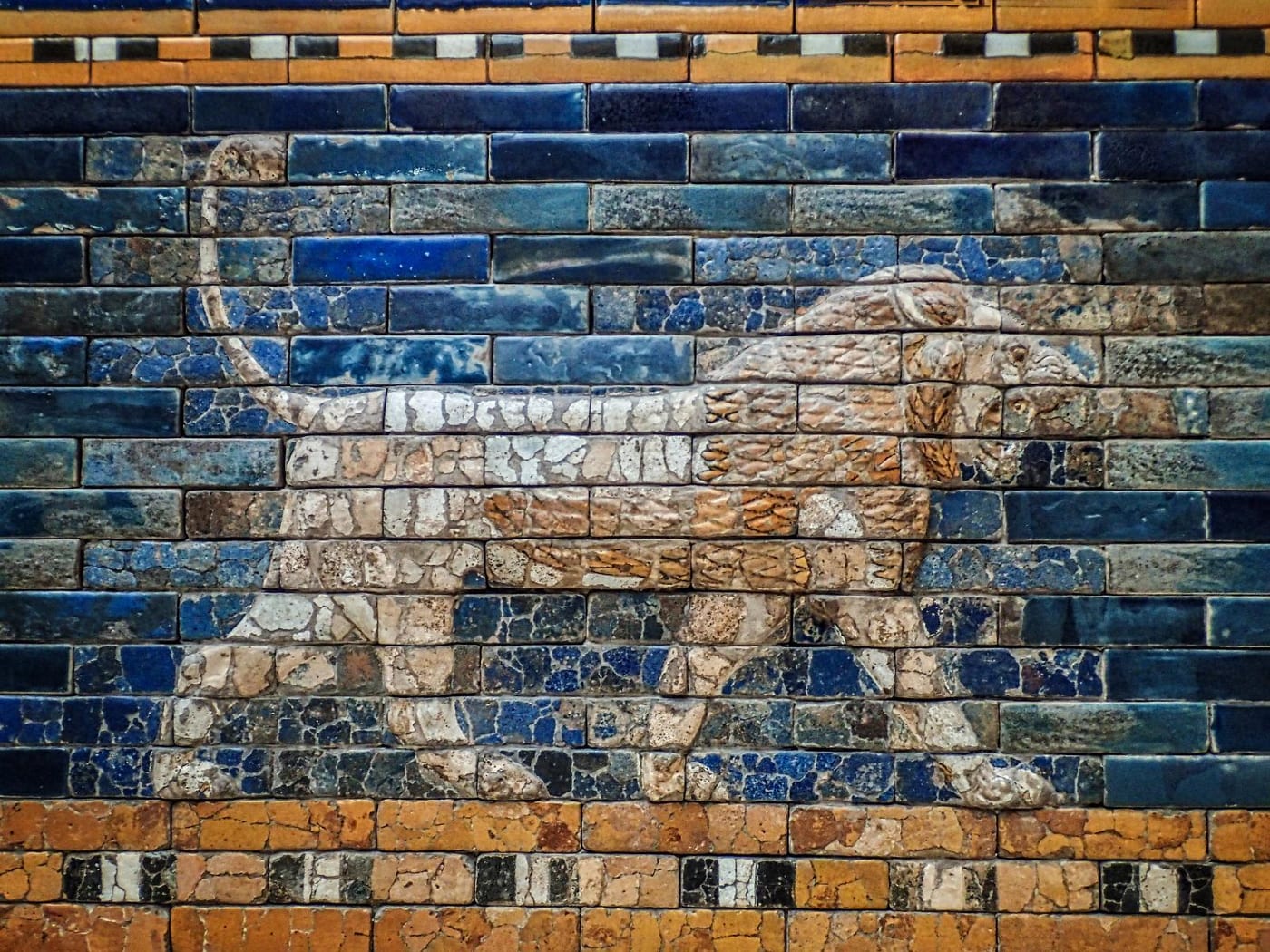
Lion dreams in Jung's analytical psychology typically represent sovereignty, royal-self-integration, or shadow-power. Daniel 6 (Daniel in the lion's den) is the canonical Biblical lion-dream-adjacent scene. Mesopotamian oneiromantic traditions (the Assyrian Dream-Book, Oppenheim 1956) treat lion-dreams as specific royal-portent imagery for kings and commanders.
Lion dreams are royal dreams. Almost every tradition that interpreted them agrees on that. The lion’s position as apex predator, its mane, its roar, its association with kingship across the ancient Near East, Africa, and Mediterranean: these loaded the animal with symbolic weight that hasn’t faded even for people whose only contact with actual lions is through a screen. Some images carry that kind of weight regardless of direct experience.
Jung’s sovereignty reading
C.G. Jung’s analytical psychology treats the lion as representing the sovereignty archetype, the royal-self, the powerful ego, and in its darker aspect the dangerous inflation of power. A confrontation with a dream-lion is typically a threshold encounter: something powerful that the dreamer has not yet integrated is demanding recognition. Jung records his own lion-dream in Memories, Dreams, Reflections (1962), in which the lion’s approach represented the unconscious power that was pressing into his conscious development.
The animus-lion appears in the dreams of women in Jung’s clinical work: the masculine-power figure that has not been recognized and integrated. A threatening lion in this frame represents active masculine energy that the dreamer is in conflict with, either in herself or in a relationship.
Daniel 6 and the lion’s den
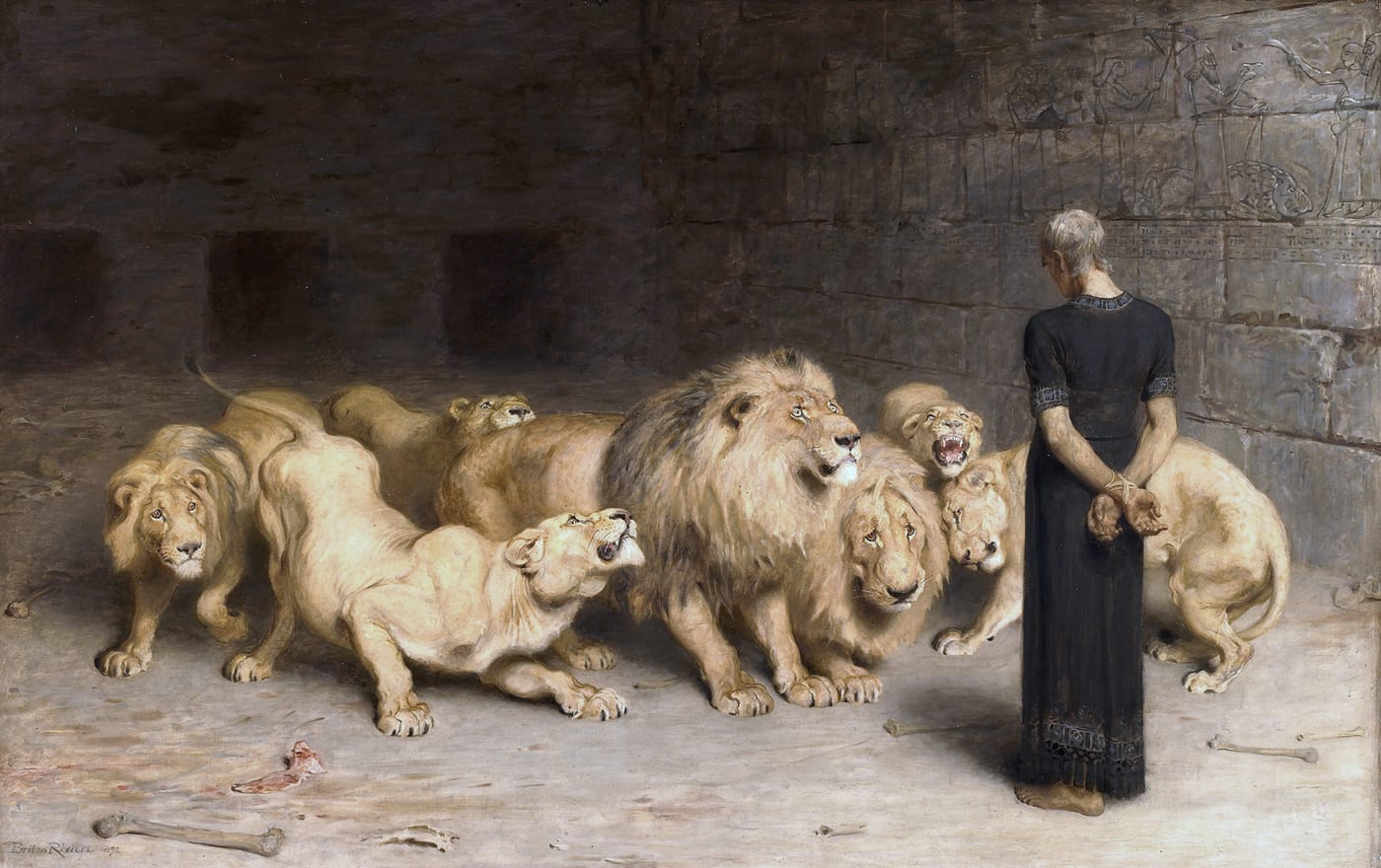
Daniel 6 is not technically a dream scene, but its structural relationship to dream-interpretation and divine protection makes it the canonical biblical lion-encounter. Daniel is thrown into a den of lions by the decree of Darius the Mede, after his enemies trap him into violating a law against praying to any god but the king. He spends the night with the lions unharmed. Darius finds him alive the next morning and declares Daniel’s God supreme.
The lion-den protection narrative (the righteous person preserved by divine will within the threatening animal’s space) has shaped how lion dreams function in Christian-influenced contexts. A non-threatening lion in a dream carries resonances of this divine protection. A threatening lion that does not attack carries the same.
The Assyrian Dream-Book
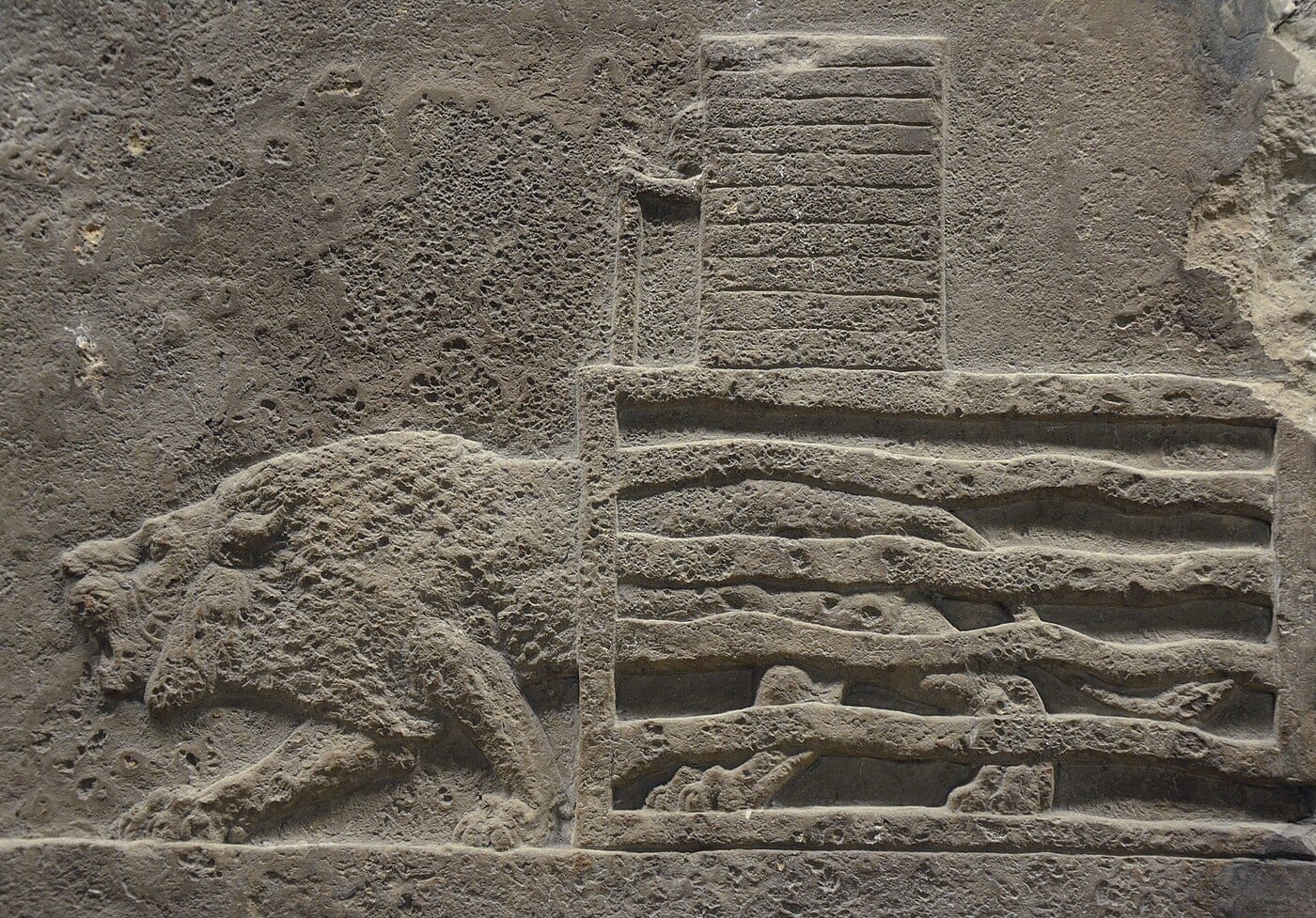
A. Leo Oppenheim’s 1956 publication in the Transactions of the American Philosophical Society (vol. 46.3) remains the standard treatment of the ancient Near Eastern oneiromantic tradition. The Assyrian Dream-Book, a cuneiform tablet from Nineveh in the British Museum, lists dream-images and their interpretations in a format closely related to the omen literature of Mesopotamia. Lion dreams in this text are consistently associated with royal portent, the lion appearing in a king’s dream signals military victory or political danger depending on context.
The Babylonian association between lions and royal power runs back to Ishtar’s lion throne, to the lion-hunts of Assyrian kings (carved in explicit detail in the Nineveh palace reliefs, c. 645 BCE), and to the lion as the symbol of Babylon on the Ishtar Gate (c. 575 BCE). Lion-dream imagery in any culture touched by the ancient Near Eastern tradition carries this royal charge, whether the dreamer knows it or not.
Frequently asked
- What does it mean to dream of a lion?
- Jung: sovereignty, royal-self-integration. Daniel 6 Biblical precedent. Mesopotamian Dream-Book (Oppenheim 1956): lion-dreams as royal-portent imagery for kings.
- What does Daniel 6 contribute to lion-dream tradition?
- Daniel 6 places Daniel in the lion's den as the test of his fidelity to the God of Israel against Darius's royal decree. The narrative is not a dream per se but reads as one structurally: the lion as the king's instrument of judgment, the surviving prophet as the lion-tamer chosen by divine intervention. Subsequent Christian iconography (Daniel-and-lions catacomb paintings, Romanesque tympana) shapes Western dream-lion imagery wherever the Christian substrate is present.
- How did the Mesopotamian Dream-Book treat lion-dreams?
- A. Leo Oppenheim's edition of the Assyrian Dream-Book (Transactions of the American Philosophical Society 46.3, 1956) preserves a systematic compilation of dream-omens for kings and commanders. Lion-dreams in the corpus signal royal portents: power gained, power confirmed, or, in the negative form, a sovereign challenged by superior force. The reading was tied to the dreamer's status: an ordinary citizen dreaming of a lion was treated differently than a king dreaming of one.
Sources
- PEER-REVIEWEDC.G. Jung, Archetypes — Princeton, 1959.
- PRIMARYDaniel 6 — BHS / JPS 1985.
- PEER-REVIEWEDA. Leo Oppenheim, The Interpretation of Dreams in the Ancient Near East (with the Assyrian Dream-Book) — Transactions of the American Philosophical Society 46.3, 1956.
- PEER-REVIEWEDErika Feucht, 'On the Symbolism of the Lion in Egyptian Art' — In Studies in Honor of William Kelly Simpson, MFA Boston, 1996.
- PRIMARYC.G. Jung, Memories, Dreams, Reflections — Pantheon, 1962.