Dream Meaning
Dreams of Badgers: Jung's Tenacity Archetype, Welsh Folk Tradition, and Kenneth Grahame's Legacy
Dreams of badgers: Jung's tenacity-and-boundary archetype reading, Welsh folk tradition, and the Kenneth Grahame Wind in the Willows literary-badger substrate.
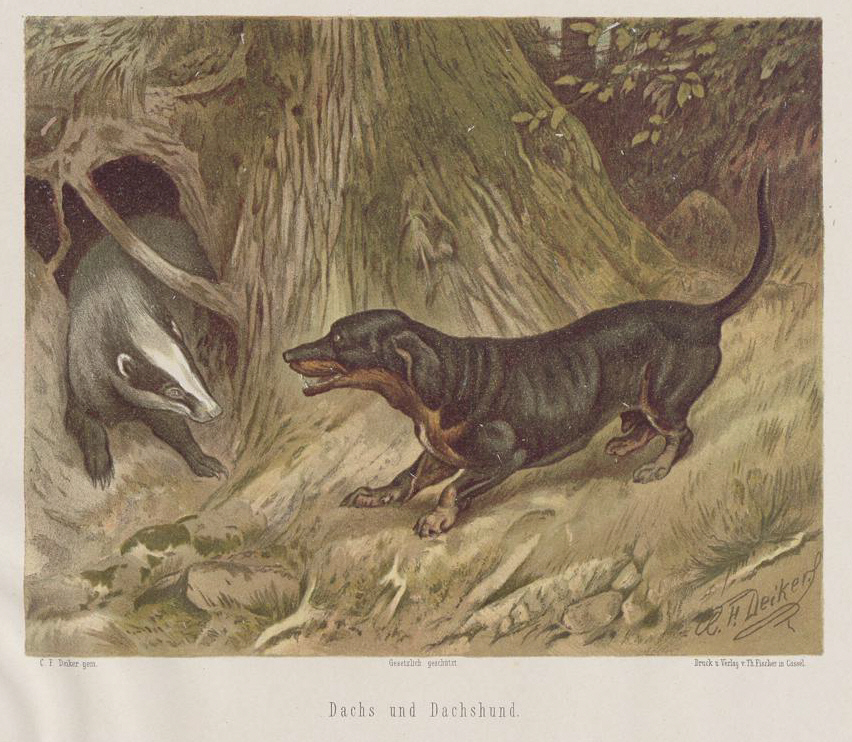
Badger dreams in Jung's analytical psychology typically represent tenacity, boundary-holding, and the underground-keeper archetype. Welsh folk traditions (Mabinogion-adjacent material) preserve older badger-narratives. Kenneth Grahame's Mr. Badger in The Wind in the Willows (1908) is the canonical English-language literary badger substrate that shapes most modern readers' badger-dream imagery.
The badger does not occupy a prominent position in the major symbolic traditions of the ancient world. What it has instead is a very specific kind of cultural presence in European folk tradition (particularly Welsh and British) and a 20th-century literary crystallization that shaped how most English-speaking readers carry badger imagery into dreams.
The Jungian reading
C.G. Jung’s analytical psychology treats animals in dreams primarily through their behavioral characteristics and their archetypal charge in the dreamer’s cultural context. The badger’s relevant qualities: it is a burrowing animal, nocturnal, fiercely territorial, and famously tenacious when defending its sett. In Jungian terms these qualities map to boundary-holding, persistence against pressure, and the archetype of the underground-keeper, the one who knows what lies beneath the surface and will defend that knowledge.
The badger as tenax, the holder-fast, appears in Pliny the Elder’s Natural History 8.83 in the context of the animal’s stubbornness under attack. The behavioral observation is accurate (badgers are genuinely difficult to dislodge from a defended position) and it is the quality that has persisted into symbolic usage. Dreams featuring badgers tend to engage these qualities rather than the threat-imagery of predators.
Welsh folk tradition
The Welsh word for badger is broc or mochyn daear (“earth pig”), and the creature appears in several Welsh folk traditions connected to earth-knowledge and the boundary between surface and underground worlds. The Celtic traditions of the British Isles preserve the badger as a chthonic animal in a similar way to the Greek mole or the Norse dwarves, creatures that know what the living world of the surface does not. Kenneth Jackson’s A Celtic Miscellany (1951) provides the Welsh textual context.
Mr. Badger’s lasting influence
Kenneth Grahame’s The Wind in the Willows (1908) is the cultural fact that cannot be ignored when writing about badger dreams. Mr. Badger is the most authoritative figure in Grahame’s world: solitary, gruff, ancient, reluctant to involve himself in surface-world concerns, but deeply reliable and wise when the crisis reaches his door. He lives underground. He endures. He outlasts.
For any English-speaking reader who encountered Grahame’s badger in childhood (and that is most of them) this is the image that structures badger dream-imagery, whether consciously or not. Dreams of badgers for this demographic are almost certainly processing the Grahame archetype as much as anything from Jungian theory or Welsh folklore. The literary substrate is the operating substrate. That is not a failure of depth psychology; it is depth psychology correctly applied to the actual cultural materials available.
The Candlemas connection
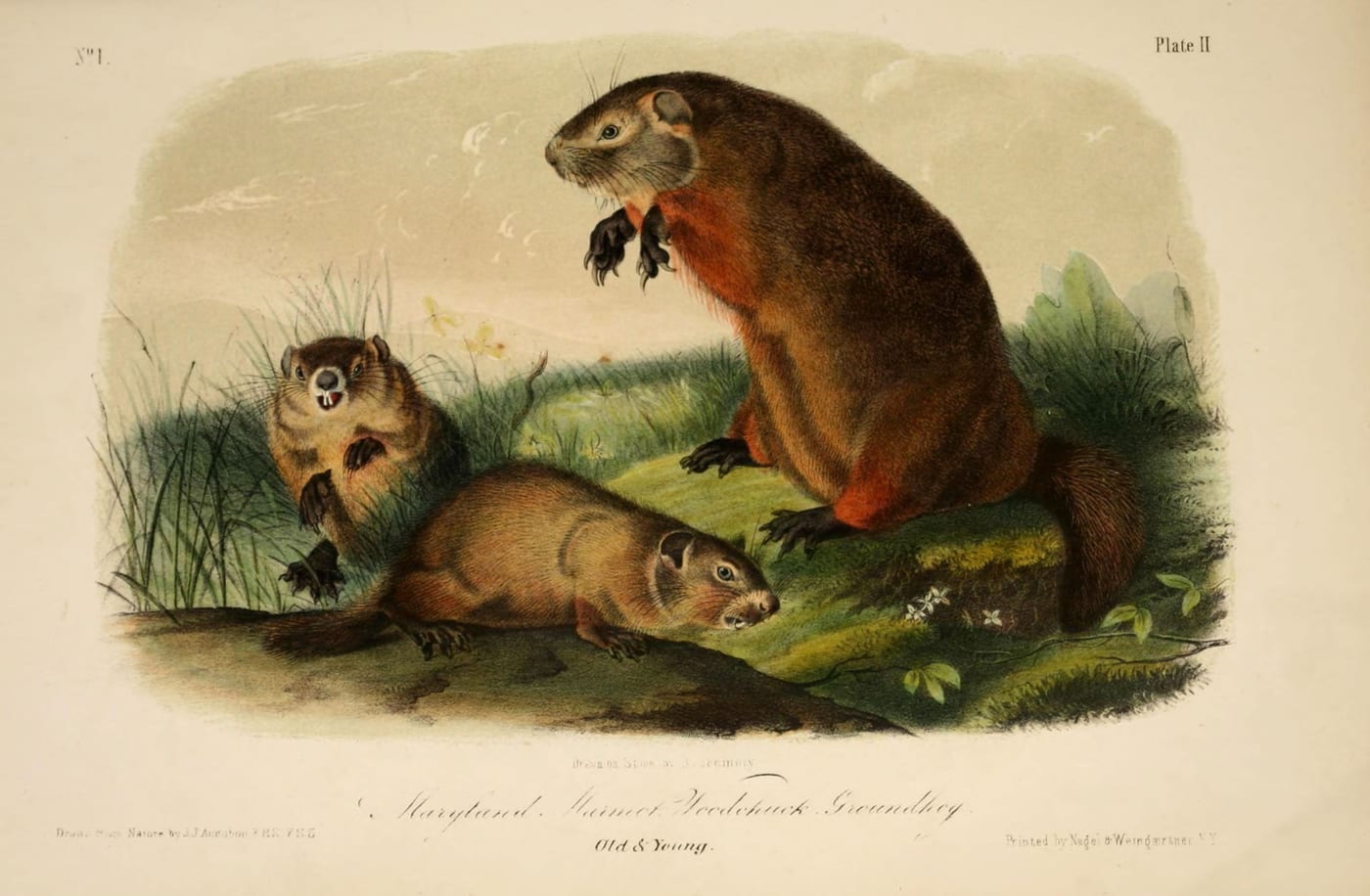
In German and Pennsylvania Dutch folk tradition, the Candlemas weather-prediction rite originally used a badger: if the badger emerged from his burrow and saw his shadow on February 2nd, six more weeks of winter. North American settlers replaced the badger with the groundhog when they arrived in regions where groundhogs were common and badgers were not. The tradition transferred; the animal changed. Badger dreams in this folk tradition carry threshold-of-winter, underground-knowledge significance, the creature who knows what the earth is doing before the surface shows it.
Frequently asked
- What does it mean to dream of a badger?
- Jung: tenacity, boundary-holding. Welsh folk tradition. Kenneth Grahame's 1908 The Wind in the Willows Mr. Badger. Pennsylvania Dutch Candlemas tradition used a badger as the weather-predictor before being transferred to the groundhog in North America.
- What does the Jungian reading of a badger dream draw on?
- Jung's framework treats animals in dreams through their behavioral characteristics. The badger is nocturnal, burrowing, and tenacious in defending its sett. Pliny's Natural History 8.83 records the animal's stubbornness under attack, the same observation that underlies the modern symbolic reading of boundary-holding and persistence. Bear-dreams and badger-dreams differ in Jungian case literature: bears carry maternal-power weight, badgers carry the underground-keeper signal.
- Where does the modern English-language badger image come from?
- Kenneth Grahame's Mr. Badger in The Wind in the Willows (1908) is the cultural fact that shapes most English-speaking readers' badger-dream imagery: solitary, gruff, ancient, deeply reliable. Welsh folk traditions preserved in Kenneth Jackson's A Celtic Miscellany (1951) supply the older underground-keeper substrate. The Pennsylvania Dutch Candlemas tradition originally used a badger as the weather-predictor before being transferred to the groundhog in North America.
Sources
- PEER-REVIEWEDC.G. Jung, Archetypes — Princeton, 1959.
- PRIMARYKenneth Grahame, The Wind in the Willows (1908)
- PRIMARYPliny the Elder, Natural History 8.83 — Loeb Classical Library.
- PEER-REVIEWEDKenneth Jackson, A Celtic Miscellany — Routledge, 1951.
- PEER-REVIEWEDJ. Allan Hobson, Dreaming: An Introduction to the Science of Sleep — Oxford University Press, 2002.