Dream Meaning
Dreams of Animal Bites: Jung's Shadow-Integration, Anxiety-Dream Research, and the Snake-Bite Exception
Dreams of animal bites: Jung's shadow-integration reading, contemporary anxiety-dream and PTSD research, and the specific snake-bite exception.
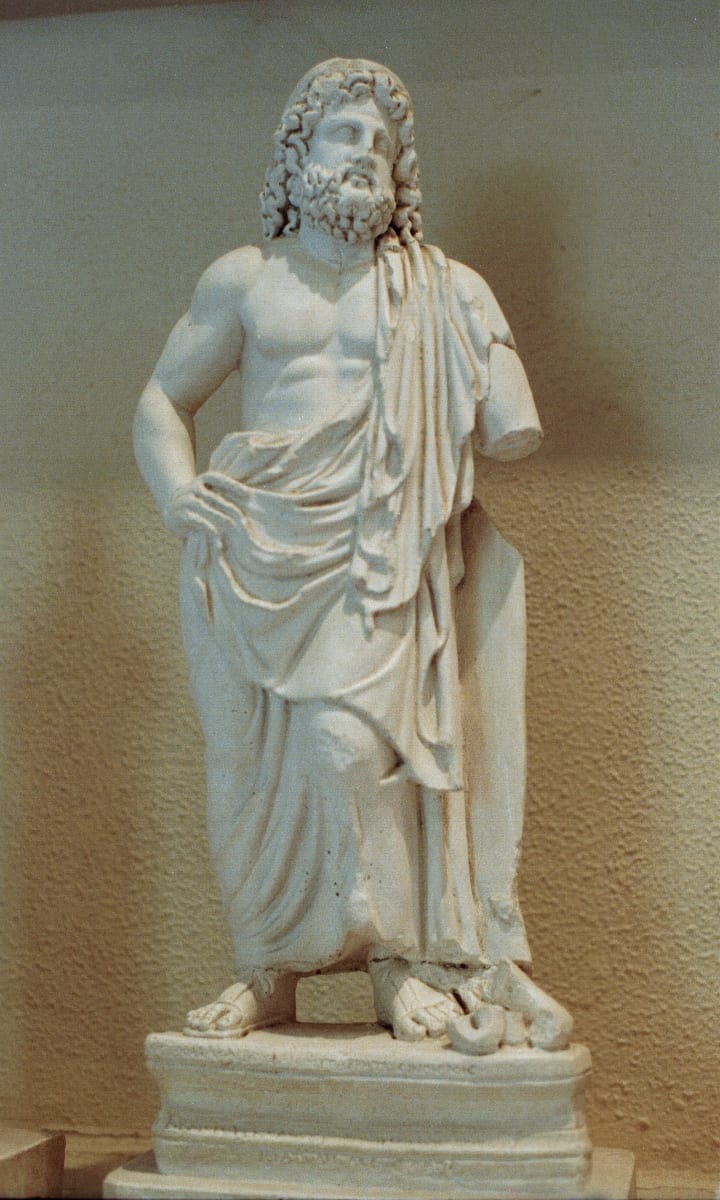
Animal-bite dreams in Jung's analytical psychology typically represent shadow-integration work and repressed-affect breaking through. Contemporary dream-research (J. Allan Hobson's Dreaming, Oxford 2002; Barrett & McNamara's encyclopedia of dream-research) treats recurrent animal-bite dreams as commonly associated with waking anxiety, PTSD, or specific fears. The snake-bite exception: in traditions that code snakes positively (Hindu nāga, Greek Asclepian), snake-bite dreams can carry healing-transformation readings rather than anxiety imagery.
Get bitten by an animal in a dream and you’ll remember it. The specificity of a bite, the contact, the crossing of a physical boundary, is what draws clinical attention. Animal-bite dreams appear with regularity in modern research surveys, and the interpretive traditions surrounding them are revealing as much about the cultures that built them as about the dreams.
Jung’s shadow-integration reading
C.G. Jung’s analytical psychology treats animals in dreams as representations of shadow-content, the parts of the personality that civilized consciousness has pushed out of awareness. An animal bite, in Jung’s framework, is shadow-material breaking through. The bite is not a threat from outside; it is a piece of yourself demanding acknowledgment. Archetypes and the Collective Unconscious (Collected Works 9i, Princeton, 1959) is the primary source for this framework.
The specifics matter. A dog bite carries different symbolic weight than a snake bite. A bite from a known animal in your life (a pet, a feared creature) tends to process differently than a bite from a large wild predator. Jungian analysis does not treat these as interchangeable; it asks what the animal represents to the dreamer specifically, and what repressed-affect might be attached to that creature.
Contemporary dream-research
J. Allan Hobson’s Dreaming: An Introduction to the Science of Sleep (Oxford, 2002) represents the contemporary scientific framework. In Hobson’s activation-synthesis model, dreams are emergent from memory-consolidation processes during REM sleep, not external messages, not symbolic dispatches from the unconscious, but the brain making sense of random neural activation using the material available to it. Recurring animal-bite dreams in this framework are most plausibly associated with waking anxiety states, unresolved fear, or PTSD. Deirdre Barrett and Patrick McNamara’s three-volume The New Science of Dreaming (Praeger, 2007) surveys the clinical research base.
That doesn’t make the Jungian reading worthless. Jung’s categories describe psychological patterns that are real, whether or not his mechanism is correct.
The snake-bite exception
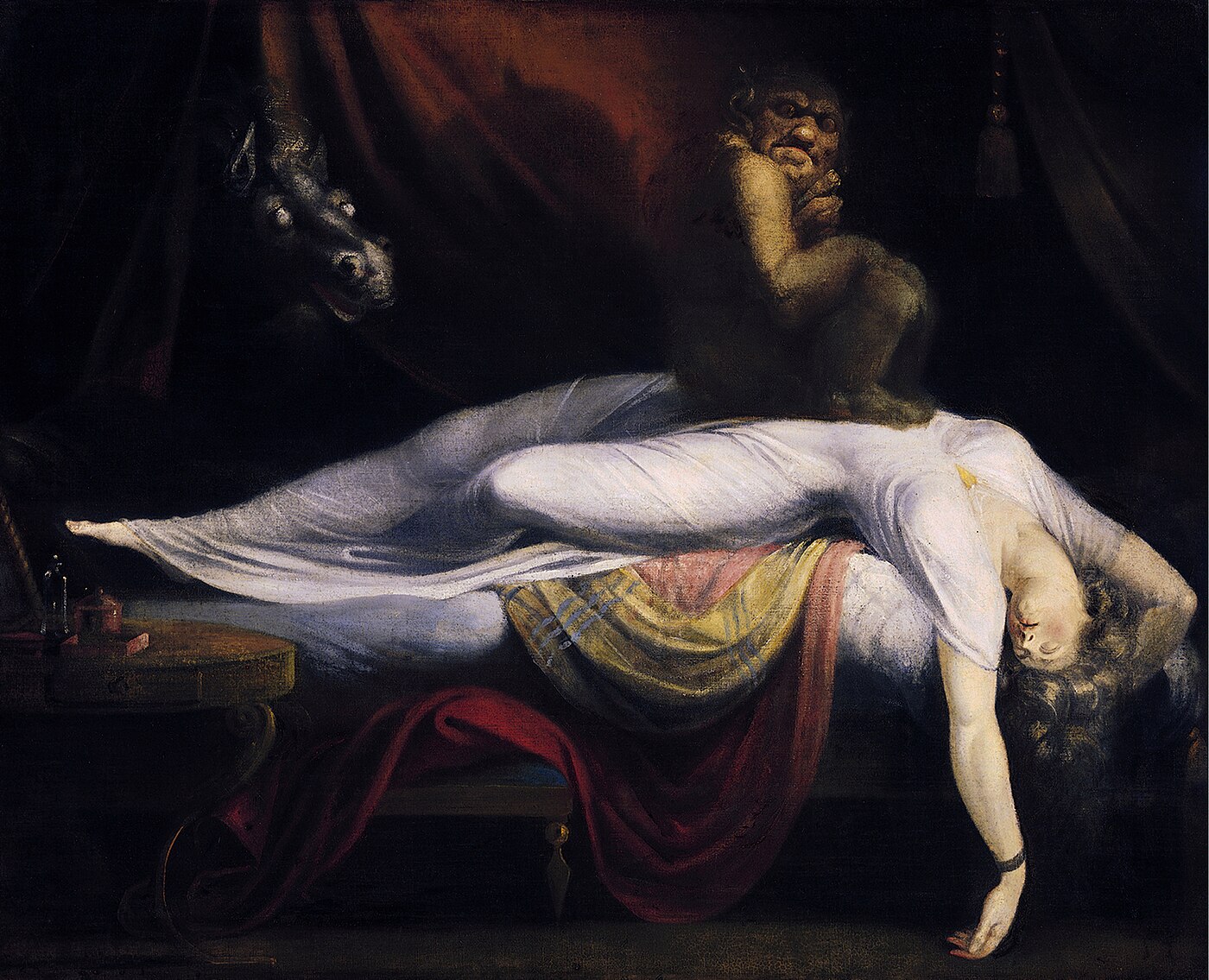
The snake bite is the most culturally variable animal-bite dream because snakes are among the most symbolically variable animals across cultures. In Genesis 3–substrate Western contexts, a snake bite carries danger and deception, the serpent in the Garden is an adversarial figure. In Hindu and Buddhist nāga traditions, the snake is protective, associated with water, fertility, and underground wisdom; a nāga-bite in this frame can be an initiation, not a threat.
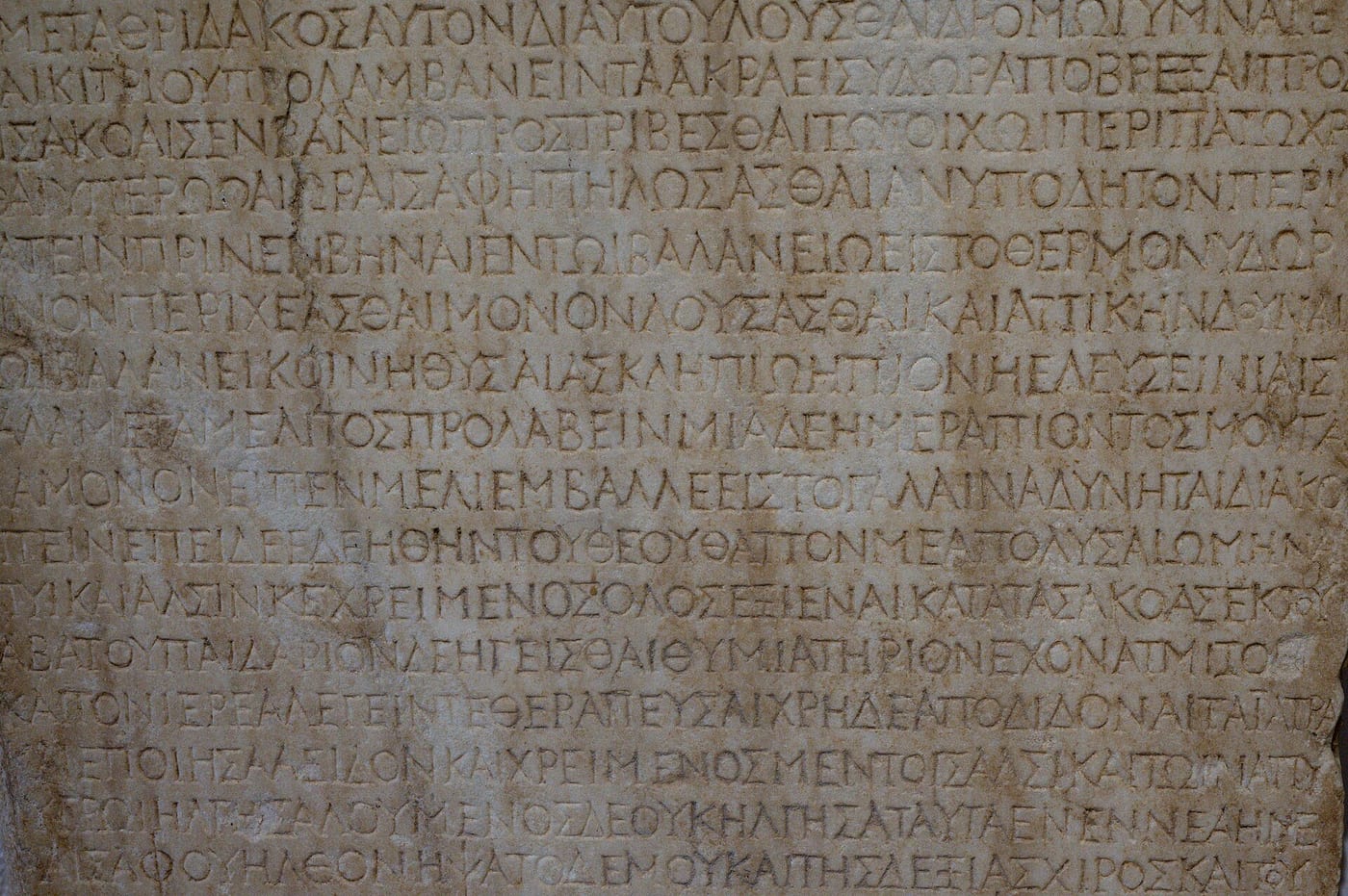
The Asclepian Greek healing tradition (centered on the sanctuary at Epidaurus) used live non-venomous snakes in the practice of enkoimesis (temple sleep, sleeping in the sanctuary to receive healing dreams). Pausanias’s Description of Greece 2.27.1 describes the practice, and the snake of Asclepius, still encoded in the caduceus-adjacent imagery of the WHO logo, carries this healing-bite tradition into the modern world. A dream snake bite in this tradition is specifically transformative, not threatening.
The interpretive frame determines the reading. Two dreamers, same dream, different cultural inheritances, genuinely different meanings.
Frequently asked
- What does it mean to dream of being bitten by an animal?
- Jung: shadow-integration, repressed-affect breakthrough. Modern dream-research (Hobson 2002; Barrett & McNamara): often associated with waking anxiety or PTSD. Snake-bite exception: in positively-coded snake traditions (Hindu nāga, Greek Asclepian), a snake-bite dream can be healing-transformation rather than threat imagery.
- Why are snake-bite dreams the exception?
- In traditions that code snakes positively — Hindu and Buddhist nāga, Greek Asclepian — a snake-bite carries healing-transformation rather than threat imagery. The Asclepian sanctuary at Epidaurus used live non-venomous snakes in enkoimesis (temple sleep), and Pausanias's Description of Greece 2.27.1 records cures attributed to dream-encounters with the snake. The interpretive frame determines the reading: two dreamers, same dream, different cultural inheritances, genuinely different meanings.
- Is a recurring animal-bite dream a clinical concern?
- Contemporary dream-research (Hobson 2002; Barrett and McNamara, The New Science of Dreaming, 2007) associates recurrent animal-bite dreams with waking anxiety, unresolved fear, or PTSD. They are emergent from memory-consolidation and threat-processing systems rather than external messaging. If they recur with distress, that signals waking material worth attending to, not the bite itself.
Sources
- PEER-REVIEWEDC.G. Jung, Archetypes — Princeton, 1959.
- PEER-REVIEWEDJ. Allan Hobson, Dreaming: An Introduction to the Science of Sleep — Oxford University Press, 2002.
- PEER-REVIEWEDDeirdre Barrett and Patrick McNamara (eds.), The New Science of Dreaming (3 vols.) — Praeger, 2007.
- PRIMARYPausanias, Description of Greece 2.27.1 — Loeb Classical Library.
- PRIMARYHippocrates, Regimen IV (On Dreams) — Jones trans., Loeb.