Spirit Animal
Anteater Spirit Animal
Anteater spirit animal meaning, with honest documentation of a thin pre-modern record. Aztec Florentine Codex references to honey-anteaters, Kayapó Brazilian Amazonian traditions, and the taxonomic history from Linnaeus forward.
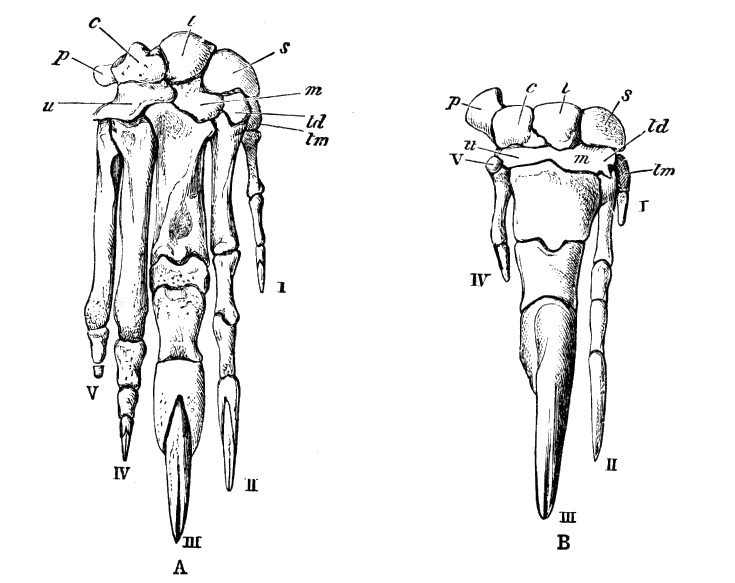
In modern pop-spiritual usage, the anteater stands for single-minded pursuit, slow careful feeding, and the dismantling of assumptions. That reading comes through Ted Andrews's Animal Speak (Llewellyn, 1993). The pre-modern documented traditions are thin. Sahagún's Florentine Codex Book 11 (c. 1577) references honey-anteaters in the Mexica animal inventory. Kayapó and other Amazonian peoples have specific traditions documented in modern ethnography, including Terence Turner's Kayapó fieldwork. The giant anteater (Myrmecophaga tridactyla) was first scientifically described by Linnaeus in the 10th edition of Systema Naturae (1758).
The giant anteater (Myrmecophaga tridactyla) is one of the animals with the thinnest pre-modern symbolic record. Being honest about that is part of the work. What traditions exist are documented, specific, and worth knowing; they are just not the vast cross-civilizational literature that surrounds the wolf, eagle, or lion.
The Mexica inventory
Fray Bernardino de Sahagún’s Florentine Codex (c. 1540–1577, Anderson and Dibble trans., University of Utah Press, 1950–82) is the most comprehensive Spanish-colonial record of Mexica (Aztec) natural history. Book 11 catalogs animals of the New World, including honey-anteater relatives (ayotochtli) observed in the Mexica territorial range. Sahagún’s informants provided the Nahuatl names and natural-historical descriptions; his compilation represents the knowledge of Mexica scholars working within the colonial context.
The Florentine Codex entry is a natural-historical description, not a full spiritual tradition. The anteater appears in Sahagún’s animal inventory because he was comprehensively cataloging the fauna of the new world, not because the anteater held a prominent place in Mexica religious iconography.
Amazonian traditions
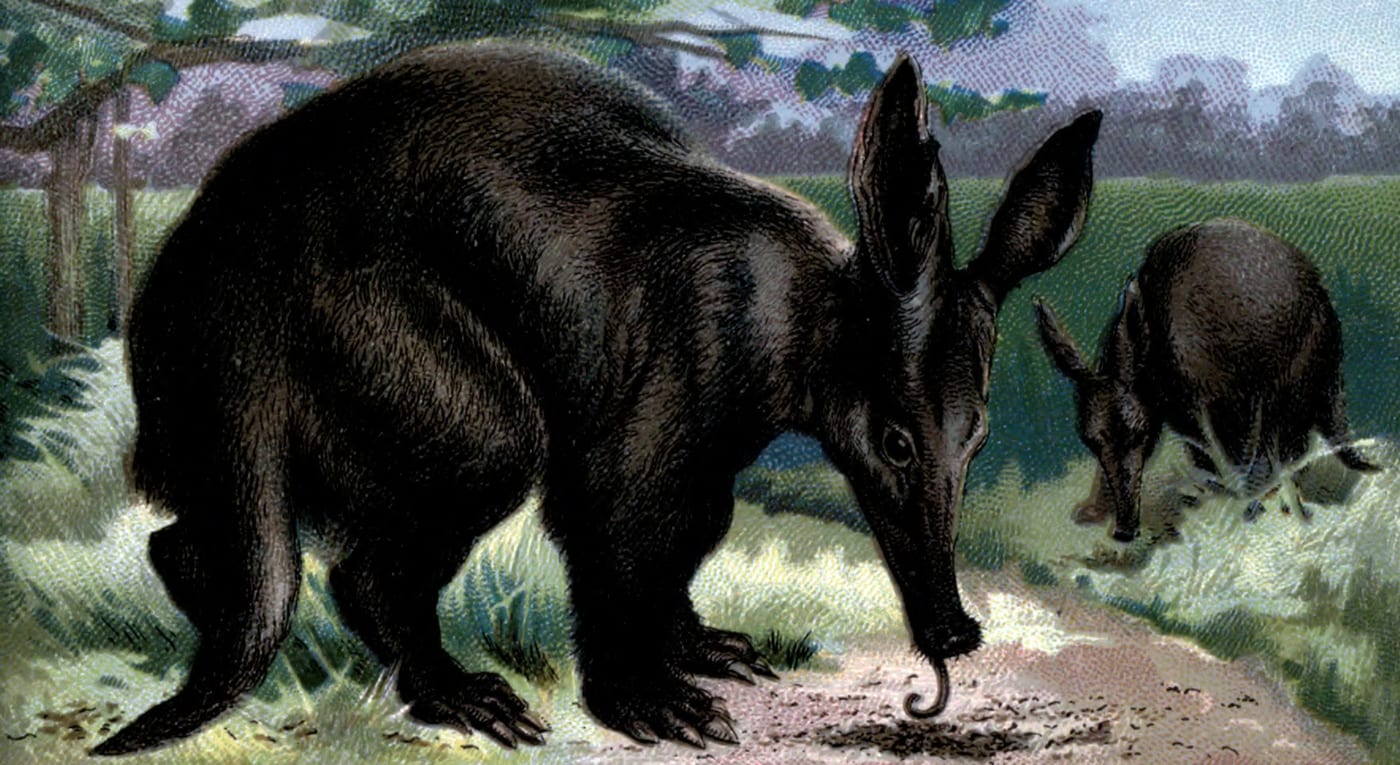
The giant anteater is native to South and Central America, and it appears in the oral traditions and cosmological frameworks of several Amazonian peoples. Terence Turner’s fieldwork among the Kayapó, published in multiple anthropological papers and in the broader literature on Amazonian symbolic systems, includes anteater material. Philippe Descola’s The Spears of Twilight (1994) and In the Society of Nature (1994), based on fieldwork among the Achuar (Jívaro) people, provide the anthropological framework for understanding how Amazonian peoples classify and relate to animals including the anteater.
The anteater in Amazonian traditions typically appears in the context of its distinctive biology, the long snout, the powerful claws, the specialized relationship with ant and termite mounds. It is a creature that knows exactly what it wants and is precisely designed to get it.
Linnaeus and scientific taxonomy
The giant anteater’s scientific name, Myrmecophaga tridactyla (“three-fingered ant-eater”) was established by Linnaeus in the 10th edition of Systema Naturae (1758). The order Pilosa (hairy animals) groups the giant anteater with the tree sloths and the silky anteater; the order reflects their shared evolutionary history in South America, isolated from the rest of the world’s mammalian fauna for tens of millions of years.
Andrews 1993
Andrews reads the anteater as single-minded pursuit, slow and methodical feeding, and the quality of knowing where what you need is located and going directly to it. These are accurate behavioral observations. The giant anteater uses its extraordinary sense of smell to locate ant and termite mounds and its specialized tongue (up to 60 centimeters long, coated in sticky saliva) to extract thousands of insects per day. The reading is honest to the biology and makes no claim to pre-modern tradition that the record does not support.
Working with the Anteater
If you want a regular practice rather than a one-time read, an oracle deck is the standard tool: you draw a card and sit with whatever animal comes up. The foundational modern spirit-animal oracle: 44 cards drawn from Sams's Seneca and other Indigenous teachings, with a guidebook that actually explains its sources. The deck most later ones are imitating.
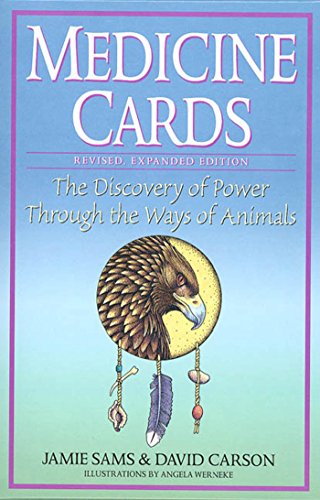
Medicine Cards
The foundational modern spirit-animal oracle: 44 cards drawn from Sams's Seneca and other Indigenous teachings, with a guidebook that actually explains its sources. The deck most later ones are imitating.
Compare the field in our ranked guide to spirit animal oracle decks, or browse decks, crystals, and journals in spirit animal gifts & tools.
Across traditions
Mesoamerican (Sahagún's Florentine Codex Book 11)
Bernardino de Sahagún's Florentine Codex (Historia General de las Cosas de Nueva España, compiled 1545–1590), Book 11 on earthly things, catalogs the Mexica (Aztec) animal inventory as reported by Nahua consultants. Anteater-related animals (Nahuatl acotochtli and others) appear in the catalog with descriptions of their habits, though extended mythological-religious narrative material is thin compared to Sahagún's treatment of the jaguar, eagle, or serpent.
- PRIMARY Bernardino de Sahagún, Florentine Codex Book 11 — Anderson & Dibble trans., University of Utah Press, 1950–82.
Amazonian (Kayapó, Guajá, and others)
Amazonian Indigenous peoples have specific anteater traditions documented in modern ethnography. Terence Turner's Kayapó fieldwork (1960s–2000s, Centro-Norte do Brasil) preserved specific narratives; Philippe Descola's Beyond Nature and Culture (University of Chicago Press, 2013) treats the broader Amazonian animist framework. Giant anteaters appear in Kayapó origin narratives and in specific ritual contexts, though the documentation is thinner in English-language scholarly literature than jaguar, peccary, or parrot material.
The conservation context is significant: giant anteaters are classified as Vulnerable by the IUCN, with habitat loss across Brazil, Paraguay, and Argentina as the principal threat.
- PEER-REVIEWED Terence Turner, The Fire of the Jaguar (ed. Jane Fajans) — HAU Books, 2017 (drawing on 1960s–2000s Kayapó fieldwork).
- PEER-REVIEWED Philippe Descola, Beyond Nature and Culture — University of Chicago Press, 2013.
- REFERENCE IUCN Red List, Myrmecophaga tridactyla (Vulnerable)
Linnaean classification (1758 Systema Naturae)
The giant anteater (Myrmecophaga tridactyla) was first scientifically described by Carl Linnaeus in the 10th edition of Systema Naturae (1758). The genus name derives from Greek myrmex (ant) + phagos (eater). The anteater's taxonomic solitude (it is in the order Pilosa, alongside sloths) made it one of the more puzzling New World mammal classifications for 18th-century European naturalists.
- PEER-REVIEWED Carl Linnaeus, Systema Naturae, 10th ed. (1758)
Ted Andrews (1993)
Andrews's 1993 anteater is the single-minded-pursuit figure drawn generically from the animal's obvious feeding behavior. The Mesoamerican and Amazonian traditions are absent.
- REFERENCE Ted Andrews, Animal Speak — Llewellyn, September 1993.
Frequently asked
- What does an anteater symbolize spiritually?
- In modern pop usage, single-minded pursuit, slow careful feeding, and the dismantling of assumptions. The pre-modern documented traditions are thin. Sahagún's Florentine Codex Book 11 references honey-anteaters in the Mexica animal inventory. Kayapó and other Amazonian Indigenous peoples have specific anteater traditions documented in Terence Turner's fieldwork and in Philippe Descola's anthropological framework.
- Is the anteater in the Aztec record?
- Yes, in Sahagún's Florentine Codex Book 11 (compiled 1545–1590), which catalogs the Mexica animal inventory as reported by Nahua consultants. Honey-anteater relatives appear with descriptions of habits, though extended mythological-religious material is thinner than for the jaguar, eagle, or serpent.
- Are giant anteaters endangered?
- Yes. The giant anteater (Myrmecophaga tridactyla) is classified as Vulnerable by the IUCN, with habitat loss across Brazil, Paraguay, and Argentina as the principal threat. Any spiritual reading of the anteater in 2026 sits alongside this conservation context.
Sources
- PRIMARYSahagún, Florentine Codex Book 11 — Anderson & Dibble trans.
- PEER-REVIEWEDTerence Turner, The Fire of the Jaguar — HAU Books, 2017.
- PEER-REVIEWEDPhilippe Descola, Beyond Nature and Culture — UC Press, 2013.
- REFERENCEIUCN Red List, Myrmecophaga tridactyla
- PEER-REVIEWEDLinnaeus, Systema Naturae (1758)
- REFERENCETed Andrews, Animal Speak — Llewellyn, September 1993.