Spirit Animal
Aardvark Spirit Animal
Aardvark spirit animal meaning, traced to Dogon cosmogony in Marcel Griaule's Dieu d'Eau, San Bushmen narrative fragments, and the 1778 Dutch etymology (aard-vark, 'earth-pig') that gave the animal its English name.
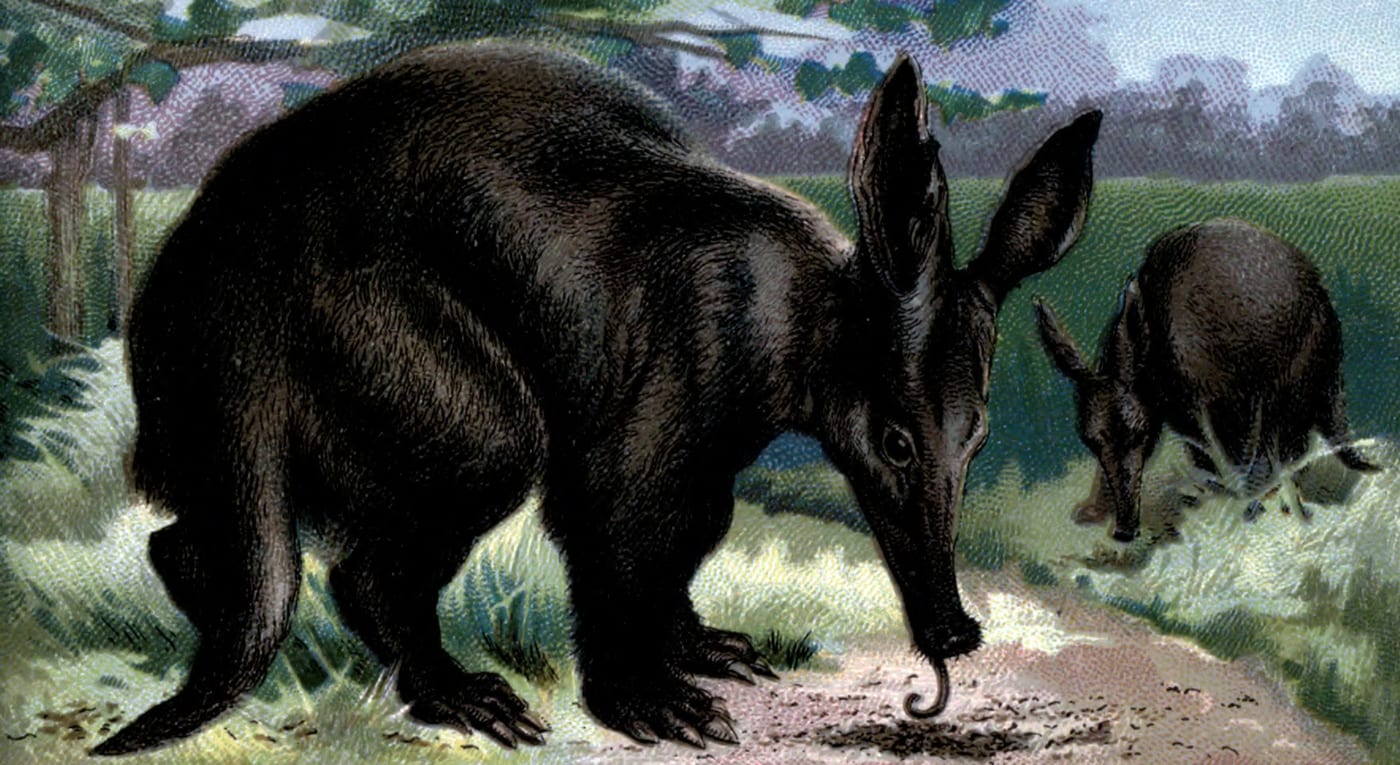
In modern pop-spiritual usage, the aardvark stands for nocturnal diligence, digging for hidden truths, and quiet persistence. That reading comes through Ted Andrews's Animal Speak (Llewellyn, 1993). The pre-modern traditions are thin: Dogon cosmology in Marcel Griaule's Dieu d'Eau (1948) places the aardvark in the Nommo creation framework; San Bushmen fragments preserved in the Bleek-Lloyd archive mention aardvark-hunting but not extended mythic-theological material. The English name is a Dutch loanword, aard-vark ('earth-pig'), first recorded in European sources c. 1786 following the Cape Colony.
The aardvark has one of the thinnest documented spiritual-traditions catalogs of any animal. That is the honest answer. What exists is real but limited: Dogon cosmogony via Griaule (methodologically contested), San Bushmen fragments in the Bleek-Lloyd Archive, and a Dutch etymology transferred into English natural-history literature in the late 18th century.
The three threads
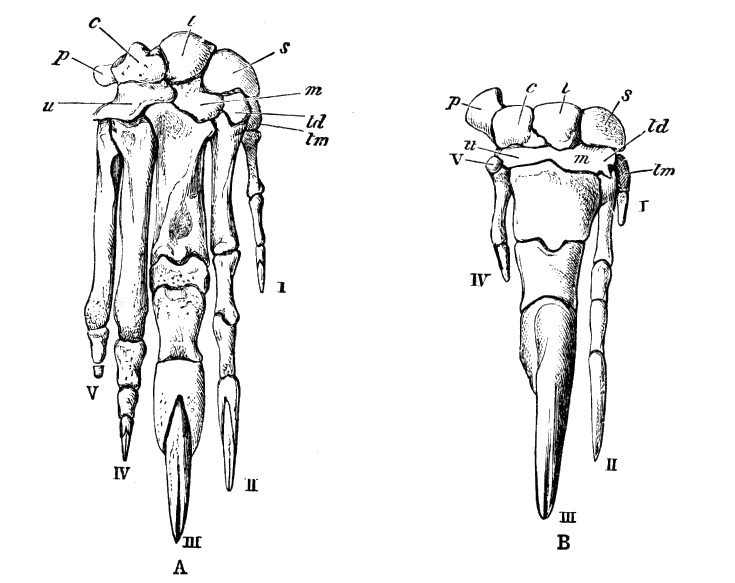
Dogon. Marcel Griaule’s 1948 Dieu d’Eau records thirty-three days of interviews with the blind Dogon elder Ogotemmêli. The aardvark appears in the Nommo-and-pale-fox cosmology as a chthonic digger-figure. Walter van Beek’s 1991 Current Anthropology restudy raises methodological concerns about Griaule’s elaboration; read the material aware of the critique.
San. The Bleek-Lloyd Archive at the University of Cape Town preserves 1870s /Xam San narratives. Aardvark references are primarily hunting-context. Dorothea Bleek’s 1956 A Bushman Dictionary catalogs the terminology.
Dutch-Afrikaans etymology. “Aardvark” is literally “earth-pig” in Afrikaans. Pieter Boddaert’s 1785 Linnean description gave the species its name, Orycteropus afer. The aardvark is the only extant species in its order, Tubulidentata.
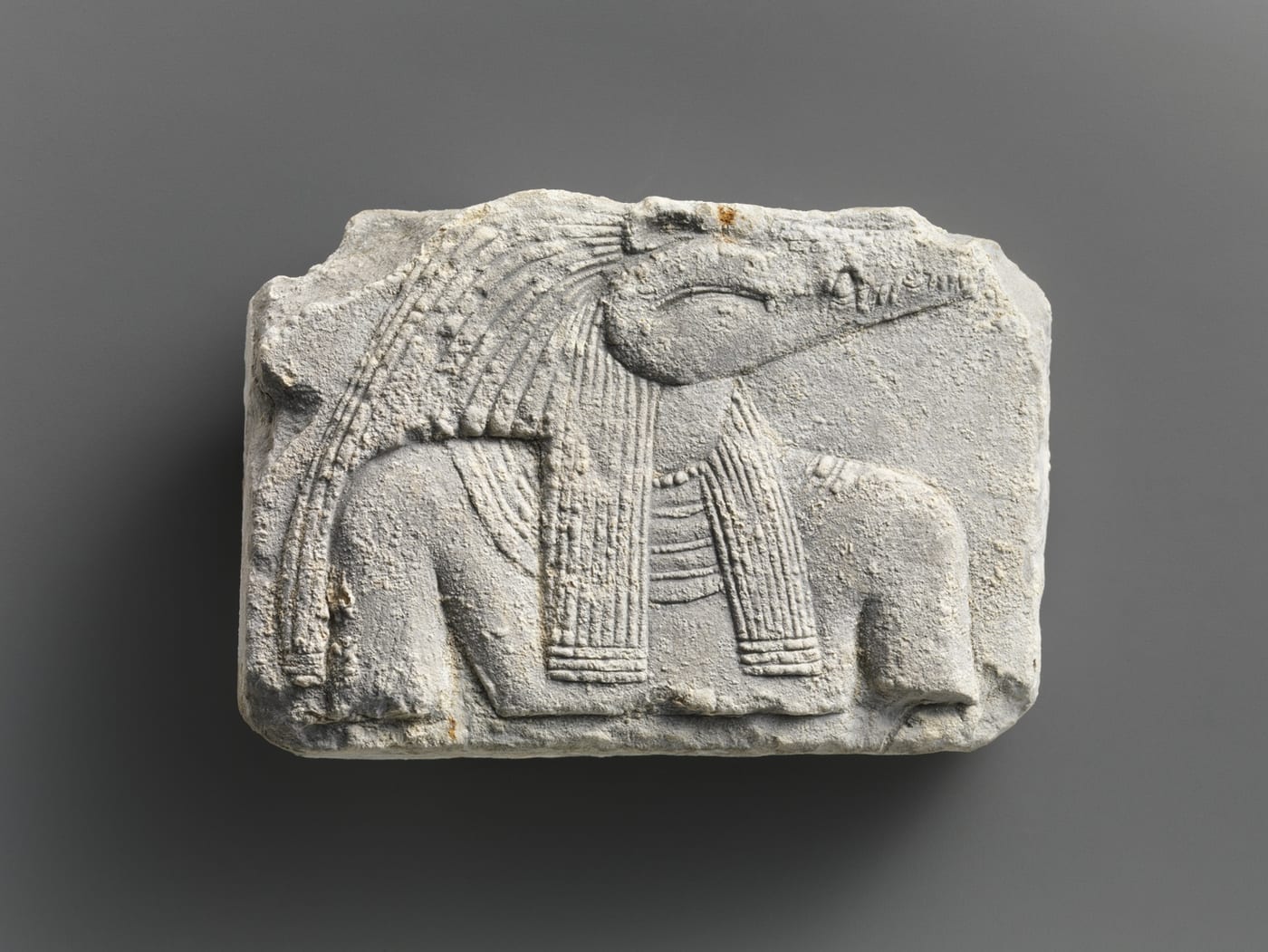
What the pop reading is
Andrews 1993: nocturnal diligence, digging for hidden truths, quiet persistence. Drawn from the animal’s obvious biology. Not wrong. Not ancient.
Across traditions
Dogon (Mali, Griaule 1948)
Marcel Griaule's Dieu d'Eau: Entretiens avec Ogotemmêli (Éditions du Chêne, Paris, 1948; English trans. as Conversations with Ogotemmêli, Oxford University Press, 1965) records the Dogon cosmogony as narrated by the blind elder Ogotemmêli over thirty-three days of interviews. The aardvark (Dogon yu-yugu or regional variants) appears in the broader Nommo-and-pale-fox cosmology as a chthonic digger-figure. Griaule's methodology has been contested; Walter van Beek's Dogon Restudied (Current Anthropology 32:2, 1991) raises serious questions about Griaule's selective elaboration. The aardvark material is one of the less-contested threads but should be read with awareness of the wider critique.
- PRIMARY Marcel Griaule, Dieu d'Eau (Conversations with Ogotemmêli) — Éditions du Chêne, 1948; Oxford trans. 1965.
- PEER-REVIEWED Walter van Beek, 'Dogon Restudied' — Current Anthropology 32:2, 1991.
San / Bushmen (Bleek-Lloyd Archive)
The Bleek-Lloyd Archive (University of Cape Town, digitized) preserves the 19th-century /Xam San narrative materials collected by Wilhelm Bleek and Lucy Lloyd in the 1870s. Aardvark references appear primarily in hunting narratives rather than extended cosmogonic material; Dorothea Bleek's A Bushman Dictionary (American Oriental Society, 1956) catalogs the relevant /Xam terminology. David Lewis-Williams's rock-art scholarship (see our giraffe page) treats large-animal spirits in trance contexts, but aardvark specifically is less documented than eland, giraffe, or rhinoceros.
- ARCHIVE Bleek-Lloyd Archive — University of Cape Town digital collection.
- PEER-REVIEWED Dorothea Bleek, A Bushman Dictionary — American Oriental Society, 1956.
Dutch-Afrikaans etymology (aard-vark, c. 1786)
The English word 'aardvark' is a direct loan from Afrikaans aardvark ('earth-pig'), itself from Dutch aarde (earth) + varken (pig). The name was brought into European natural-history literature by Cape Colony naturalists in the late 18th century. The Linnean species name Orycteropus afer ('African digger-footed') was established by Pieter Boddaert in 1785. The animal is the only extant species in its order (Tubulidentata), a taxonomic solitude that pairs with its cultural solitude in world religion.
- PEER-REVIEWED Pieter Boddaert, Orycteropus afer species description (1785)
- REFERENCE Oxford English Dictionary, 'aardvark'
Ted Andrews (1993)
Andrews's 1993 aardvark is the nocturnal-diligence-digging-for-hidden-truths figure drawn generically from the animal's obvious nocturnal-burrowing biology. The Dogon and San traditions are absent.
- REFERENCE Ted Andrews, Animal Speak — Llewellyn, September 1993.
Frequently asked
- What does an aardvark symbolize spiritually?
- In modern pop usage, nocturnal diligence, digging for hidden truths, and quiet persistence. The pre-modern traditions are thin. Marcel Griaule's Dieu d'Eau (1948) places the aardvark in Dogon Nommo cosmogony. San Bushmen fragments in the Bleek-Lloyd Archive mention aardvark-hunting. The English name is a Dutch loanword (aard-vark, 'earth-pig') brought into European natural history c. 1786.
- Where does the word 'aardvark' come from?
- From Afrikaans aardvark ('earth-pig'), itself from Dutch aarde (earth) + varken (pig). The name was brought into European natural-history literature by Cape Colony naturalists in the late 18th century. The Linnean species name Orycteropus afer was established by Pieter Boddaert in 1785. The animal is the only extant species in its order (Tubulidentata).
- Is there an aardvark in African folklore?
- Yes, though thinner than many other African animal-traditions. Dogon (Mali) cosmology documented by Marcel Griaule's Dieu d'Eau (1948) places the aardvark in the Nommo-and-pale-fox framework; Griaule's methodology has been contested (Walter van Beek 1991). San Bushmen fragments in the Bleek-Lloyd Archive mention aardvark-hunting. More extensive mythological material probably existed in oral traditions that were not systematically documented before 20th-century ethnography.
Sources
- PRIMARYMarcel Griaule, Dieu d'Eau — Éditions du Chêne, 1948.
- PEER-REVIEWEDWalter van Beek, 'Dogon Restudied' — Current Anthropology 32:2, 1991.
- ARCHIVEBleek-Lloyd Archive
- PEER-REVIEWEDDorothea Bleek, A Bushman Dictionary — American Oriental Society, 1956.
- PEER-REVIEWEDPieter Boddaert, Orycteropus afer (1785)
- REFERENCEOxford English Dictionary, 'aardvark'
- REFERENCETed Andrews, Animal Speak — Llewellyn, September 1993.